Split, a palace that became a city
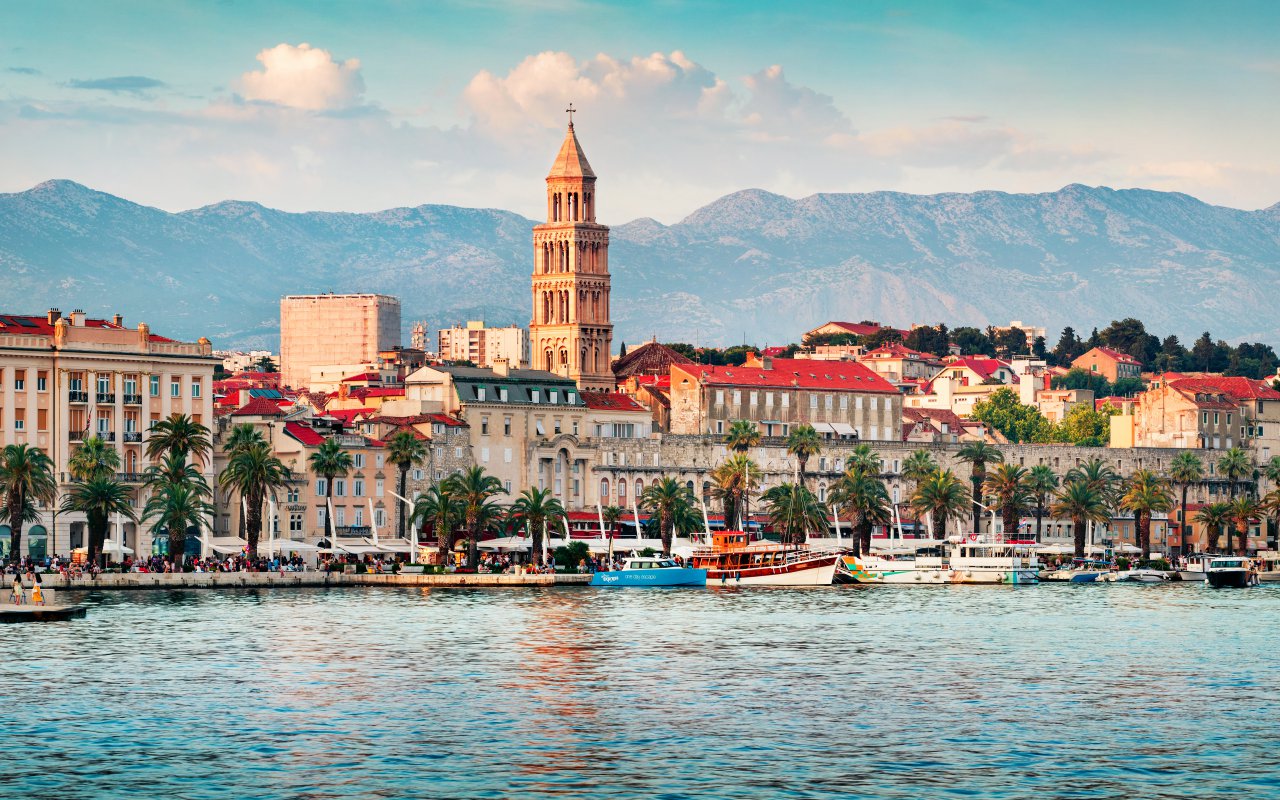
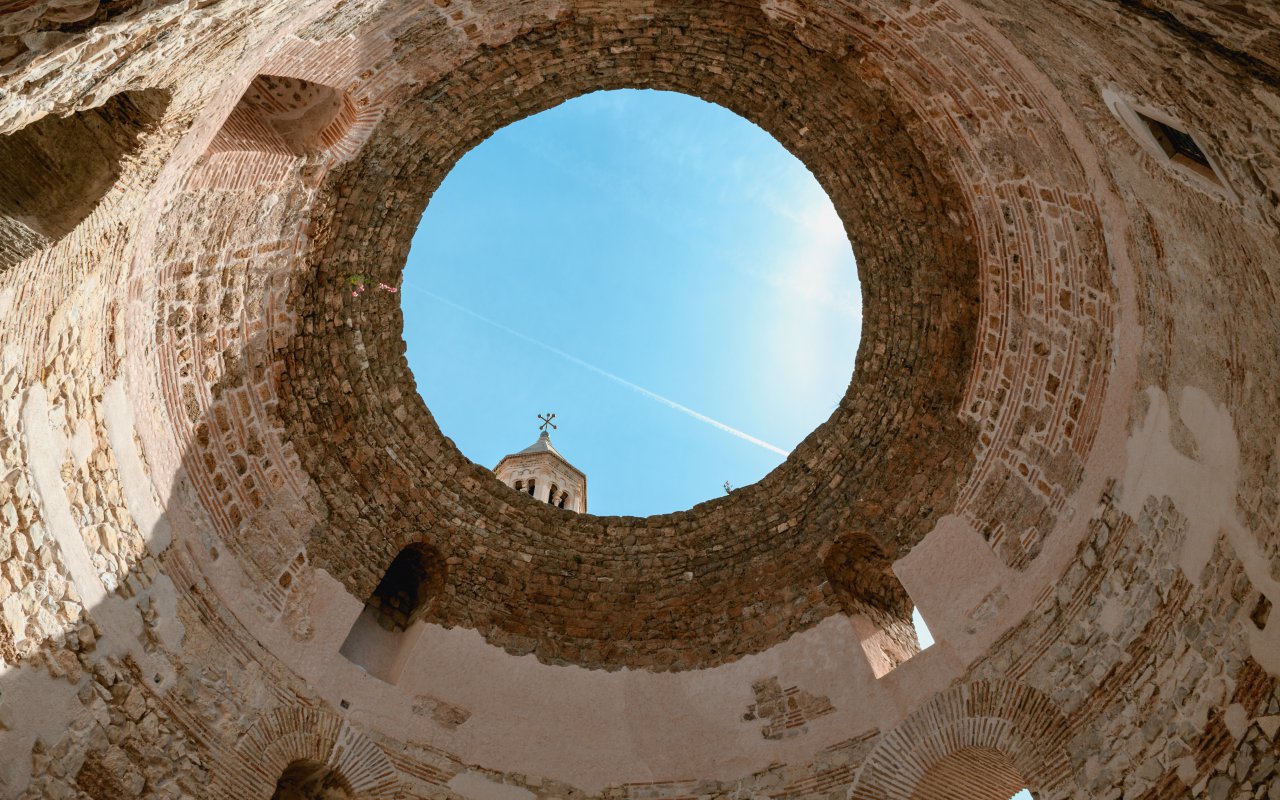
Croatia’s second largest city is also one of its main cultural centers. It has the most amazing city center in the country and certainly one of the most beautiful in Europe. It lies at the heart of an impressive Roman palace, a UNESCO World Heritage Site, the former residence of the Roman Emperor Diocletian, which covers 38,700 square meters.
It is a truly maze of alleys where the architectural influences of ancient and Renaissance times blend together. Much more than an open-air museum, it is a dynamic and lively district that gives this ancient palace a very special charm.
The essentials of Split
The palace of the Emperor Diocletian, “Caius Aurelius Diocletianus” of his full name.
He was an Illyrian consul, proclaimed emperor in 284 by his soldiers. He initiated the division of the Roman Empire between East and West in 286 in order to halt its decline. He abdicated in 305 and retreated to the sumptuous palace he had built in Split from 295 onwards. He died there in 313.
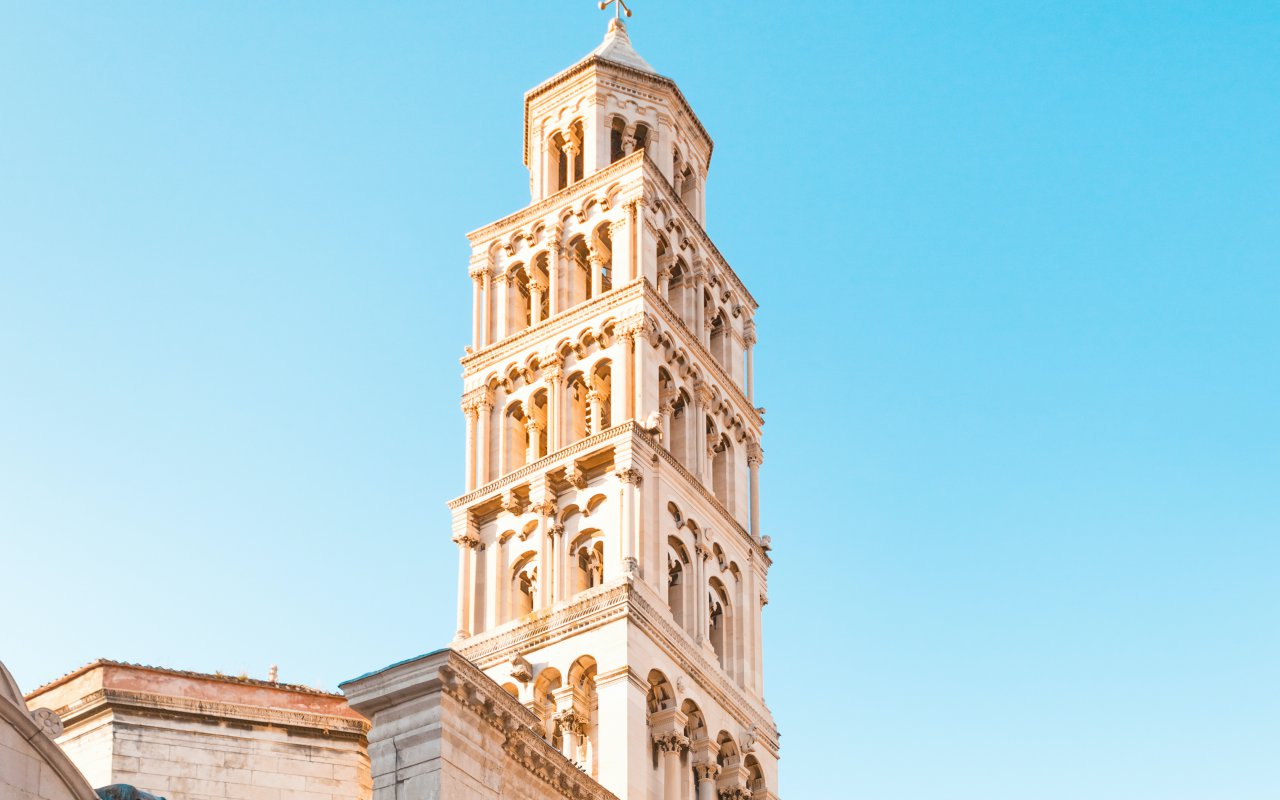
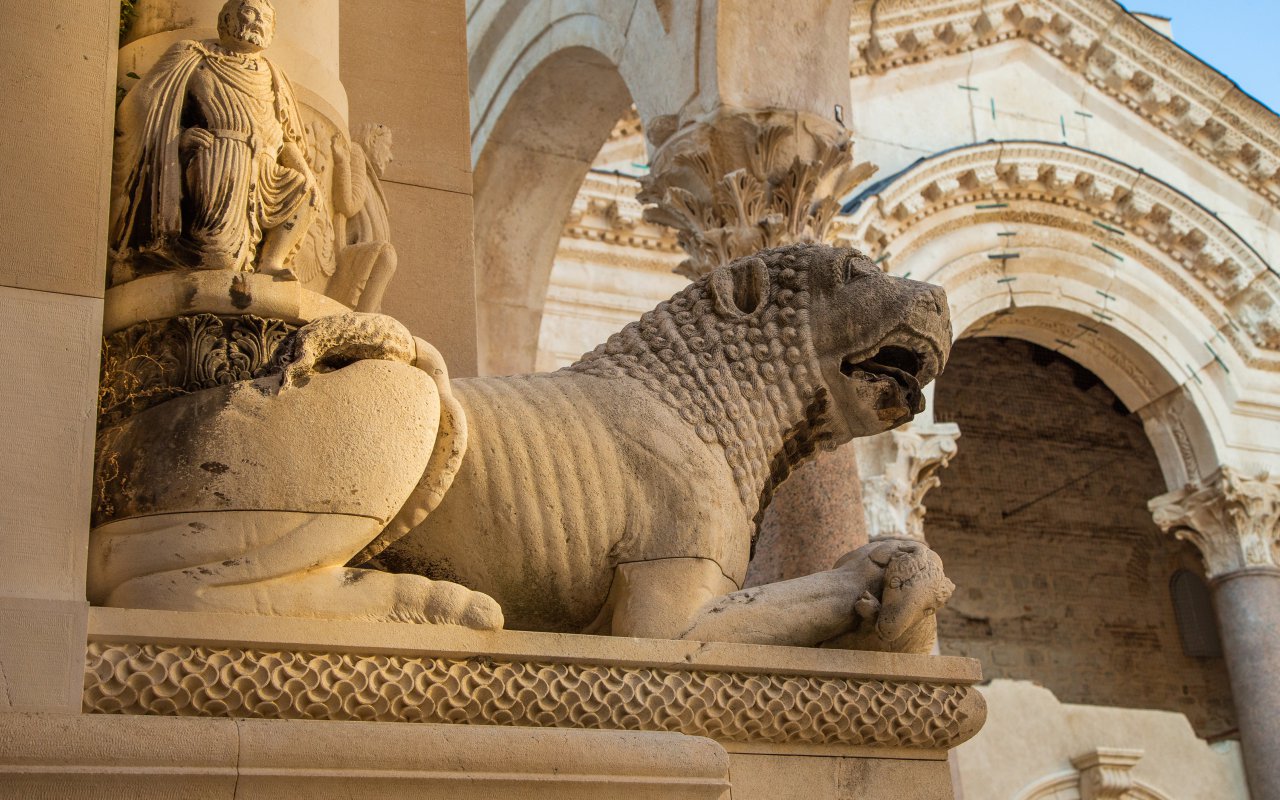
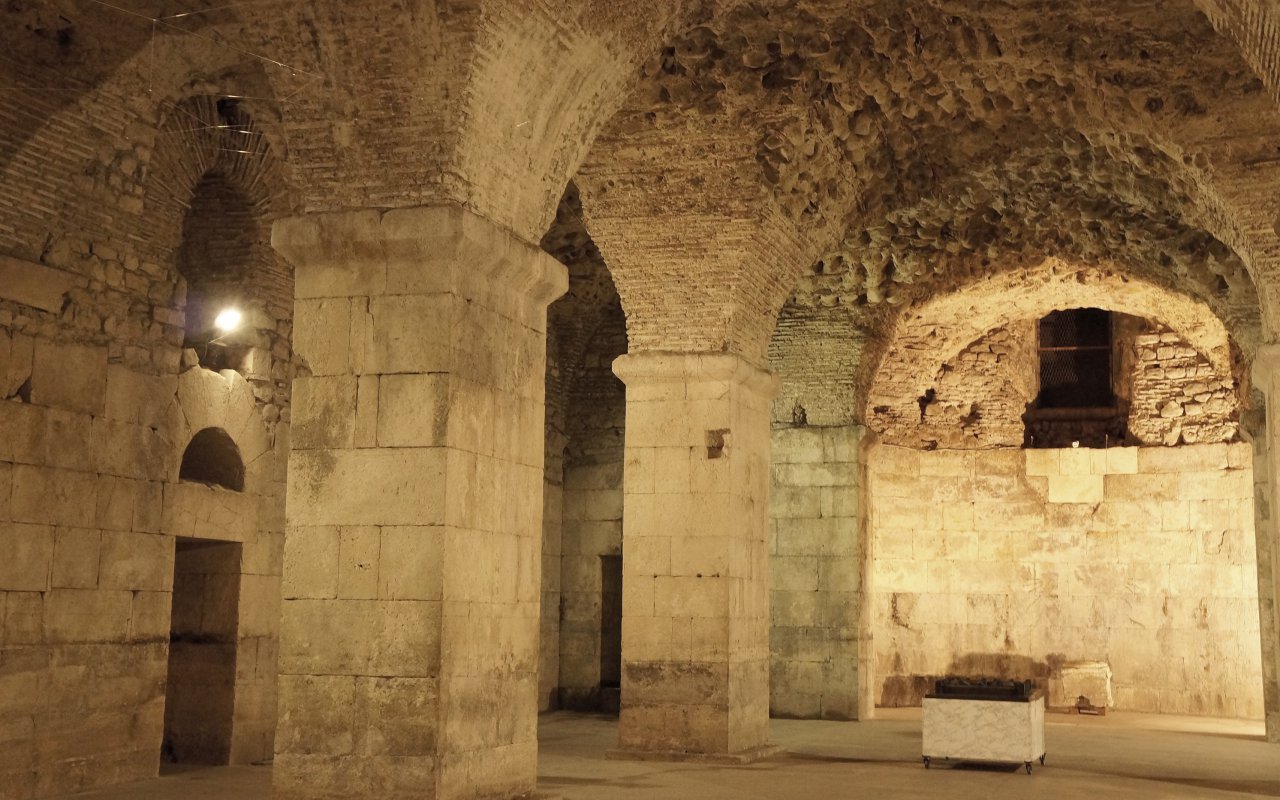
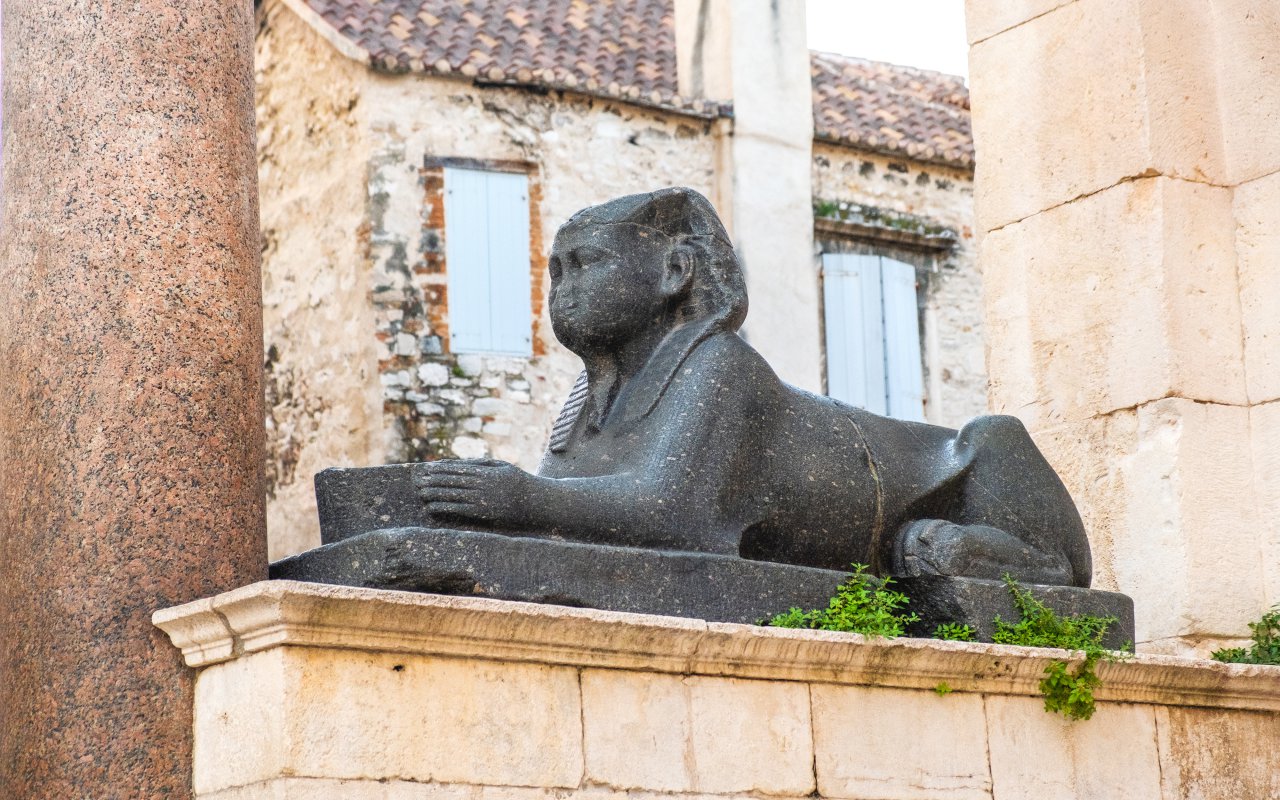
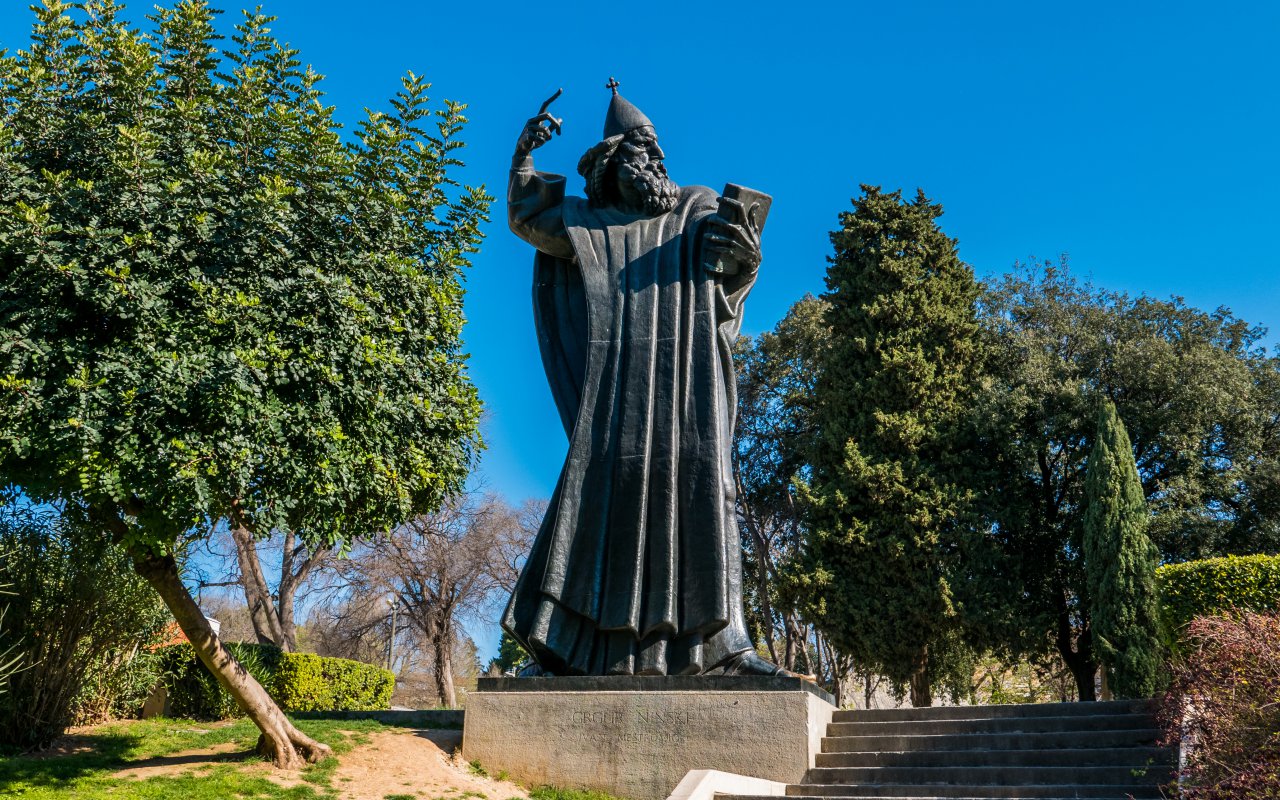
At the fall of the Roman Empire, in the 5th century, the fortified palace was abandoned. It will be converted into a city from the 7th century. Flats were converted into dwellings and temples into churches. The city developed under the domination of Constantinople and then the Hungaro-Croatian kings before passing under Venetian domination. Enter through the Bronze Gate which gives access to the underground halls, the former palace warehouses, and then you will arrive on Peristyle, a former square dedicated to the worship of the emperor which represents the heart of the palace. Today it is the site of the imposing Cathedral of St. Domnius and its campanile, built between the 13th and 16th centuries. It was the location of Emperor Diocletian’s mausoleum, which is now part of the cathedral. You can also go to the Golden Gate to admire the statue of Gregory of Nin.
The Riva
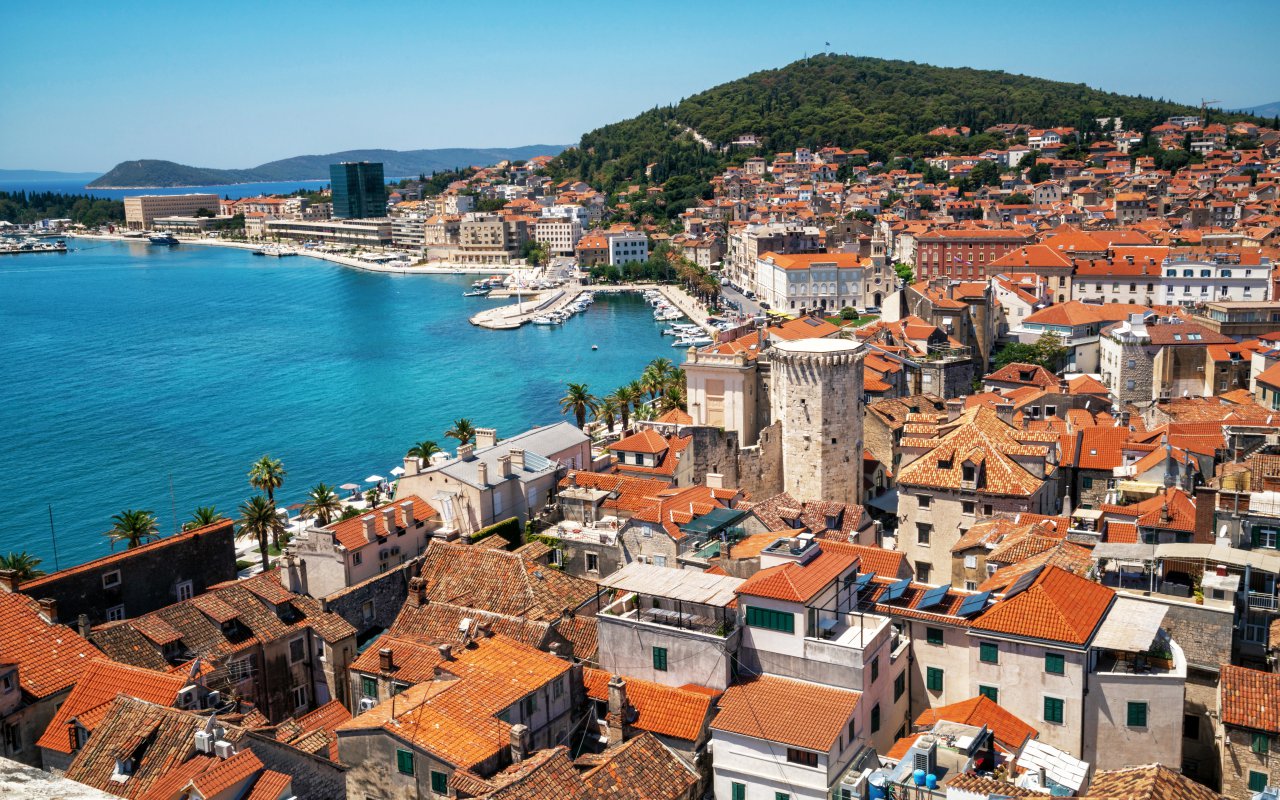
From 1809, Marshal Marmont was named governor general of the Illyrian provinces by Napoleon and led a major urban planning operation in Split, razing the Venetian city walls to make way for gardens and large avenues. The seafront was also to be laid out for the construction of a large promenade. The Riva is now one of the most popular places in the city with its numerous bars and restaurants and the ideal place to have a coffee in the morning or a drink in the evening with a view of the sea.
The Marjan Hill
Visit the medieval suburbs of Veli Varos and then continue to the hill of Marjan, the “green lung” of Split. Climb to the top to admire the stunning panorama of the city. With its pine forests, it is a paradise for sportsmen and those looking for a bit of coolness in summer. Around the hill, you will find charming little coves and several beaches suitable for families.
A trip to the islands from Split
The island of Brac
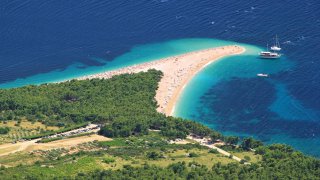
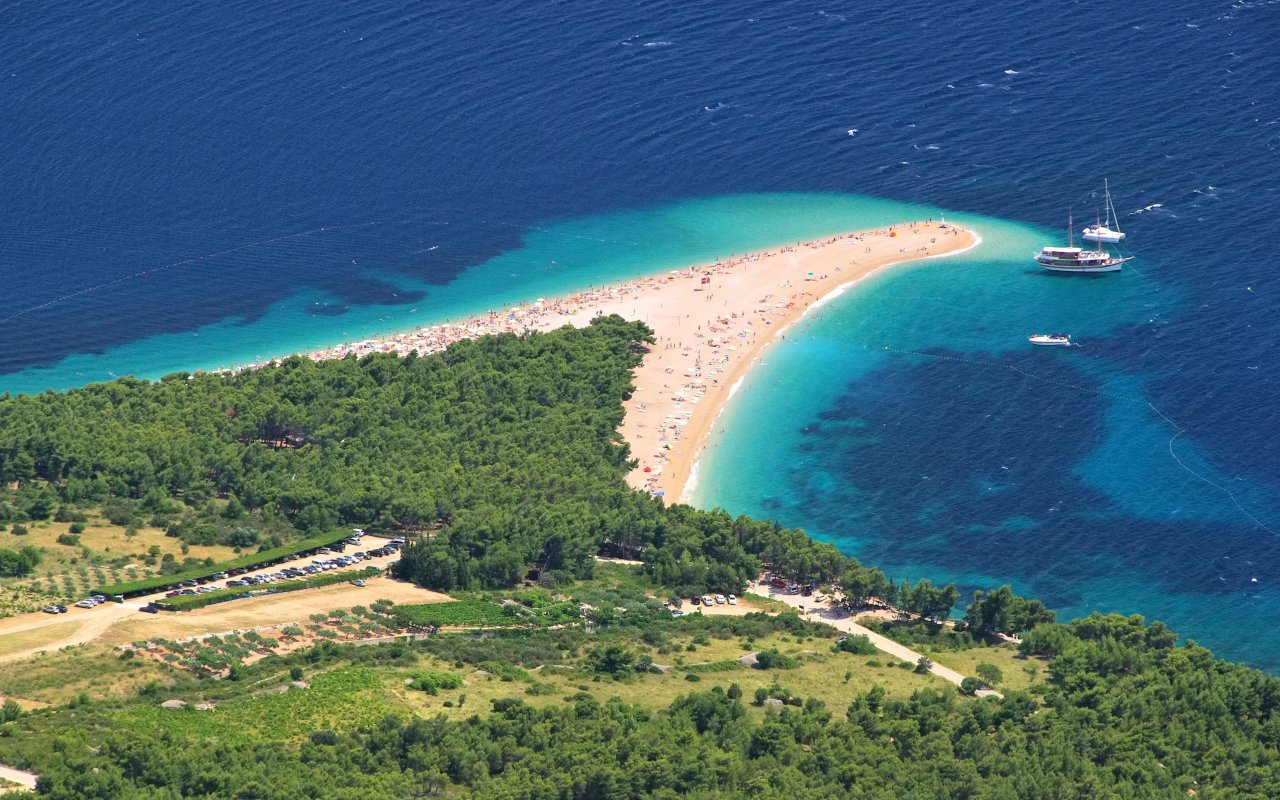
It is the third largest island in Croatia and is less than an hour’s boat ride from Split. It is known for its beautiful Zlatni Rat beach, one of the most beautiful beaches of Croatia. Nicknamed the “Golden Horn” for its atypical shape, it extends over 500 meters in a blue sea and moves with the winds and tides.
The island of Brac also has a large selection of charming little harbours. The inland is equally beautiful with its vineyards, olive trees and typical small villages.
The island of Hvar
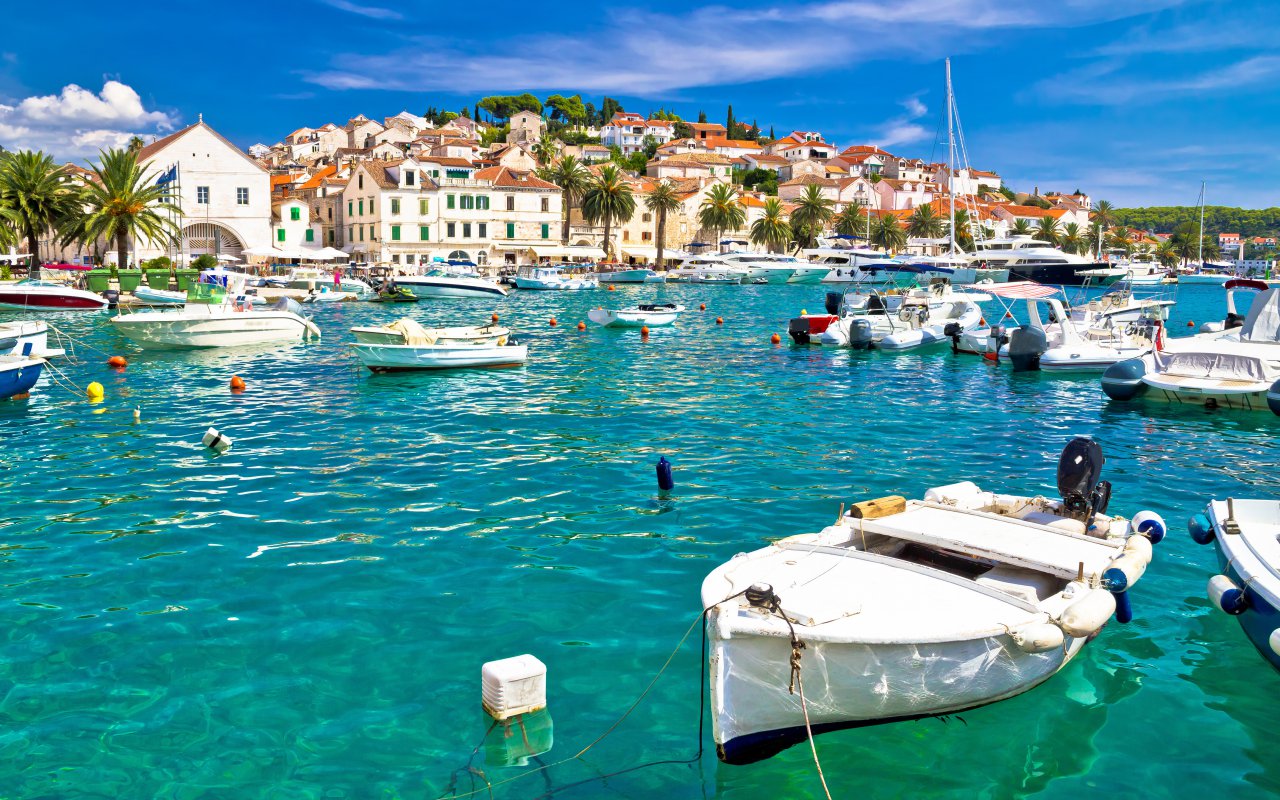
With its dreamy beaches, old Venetian villages, lavender fields and exceptional climate, the island of Hvar is one of the most popular in Croatia.
In summer, it is a very popular seaside resort and one of the most visited islands on the Adriatic coast. So, it is better to discover it out of season in September or October. The old town of Hvar has a special atmosphere with its cobbled streets. Standing on the heights, the Spanish Fortress offers a magnificent view of the city and the Pakleni Islands.
Our recommendations in Split
-
Sperun Restaurant
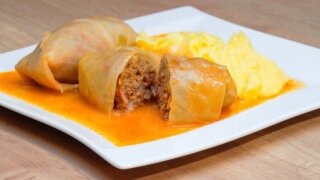
Excellent Dalmatian cuisine with local products and fish. Excellent menu of desserts and a very warm welcome. The restaurant located below Veli Varos has a small terrace which is very popular in the summer. Tested and approved by the Terra Balka team!
-
Franja
The ideal shop to bring back a gourmet souvenir from Split. Specialized in coffee and tea, you will also find many Dalmatian products such as wines, typical Split biscuits (the Bobici) or olive oil with truffles!
Activities in Split
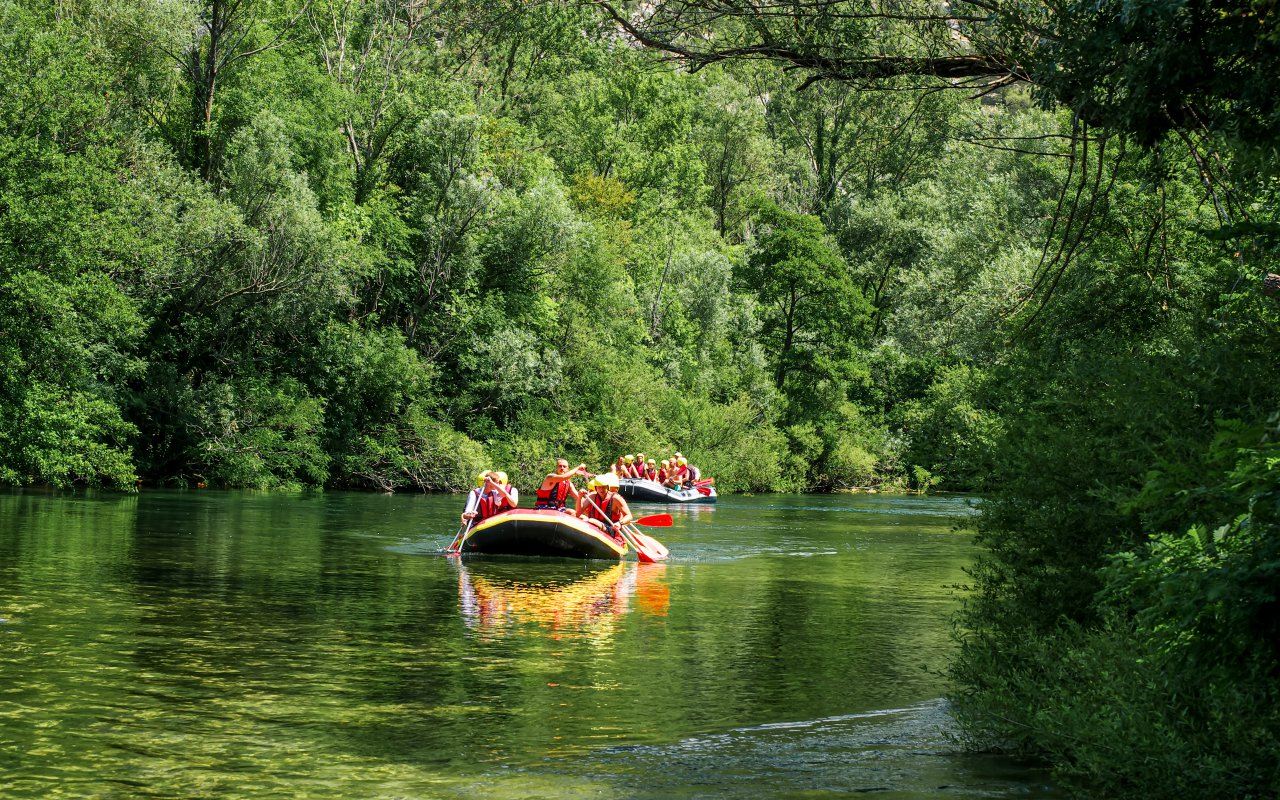
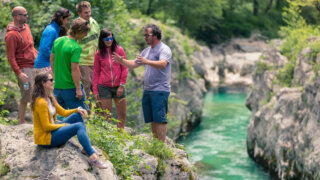
Rafting down the river Cetina
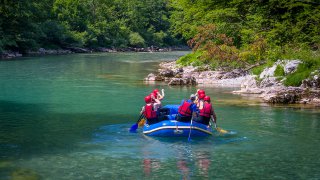
You will have to go about 25 kms south of Split, to Omis, at the mouth of the river Cetina. The impressive rock masses, once pirate hideouts, are now a delight for rafting enthusiasts.
The descent of the river takes about 3 hours. Don’t worry, beginners are welcome, the river is the ideal place to learn and experience your first feelings. You will also have the opportunity, if you wish, to discover a cave and try a jump of about 5 meters into the river. Sensations and good fun guaranteed!
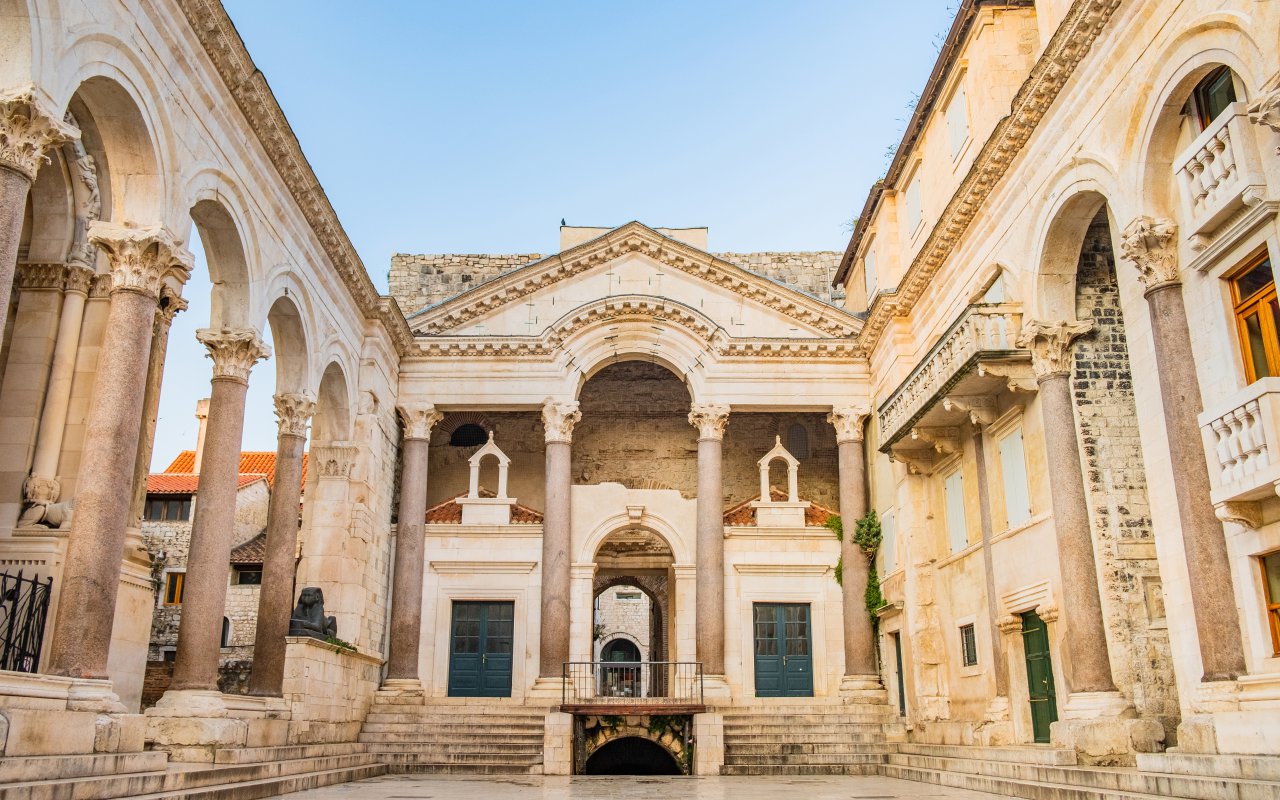
A treasure hunt in the alleys of Split
For a cultural activity, you can discover the city thanks to a treasure hunt for the whole family. This is an opportunity to discover the exceptional heritage of Split and its Roman palace and to learn more about its history. An original visit of about 2 hours that will please everyone!
Book your trip to Croatia