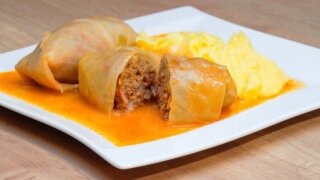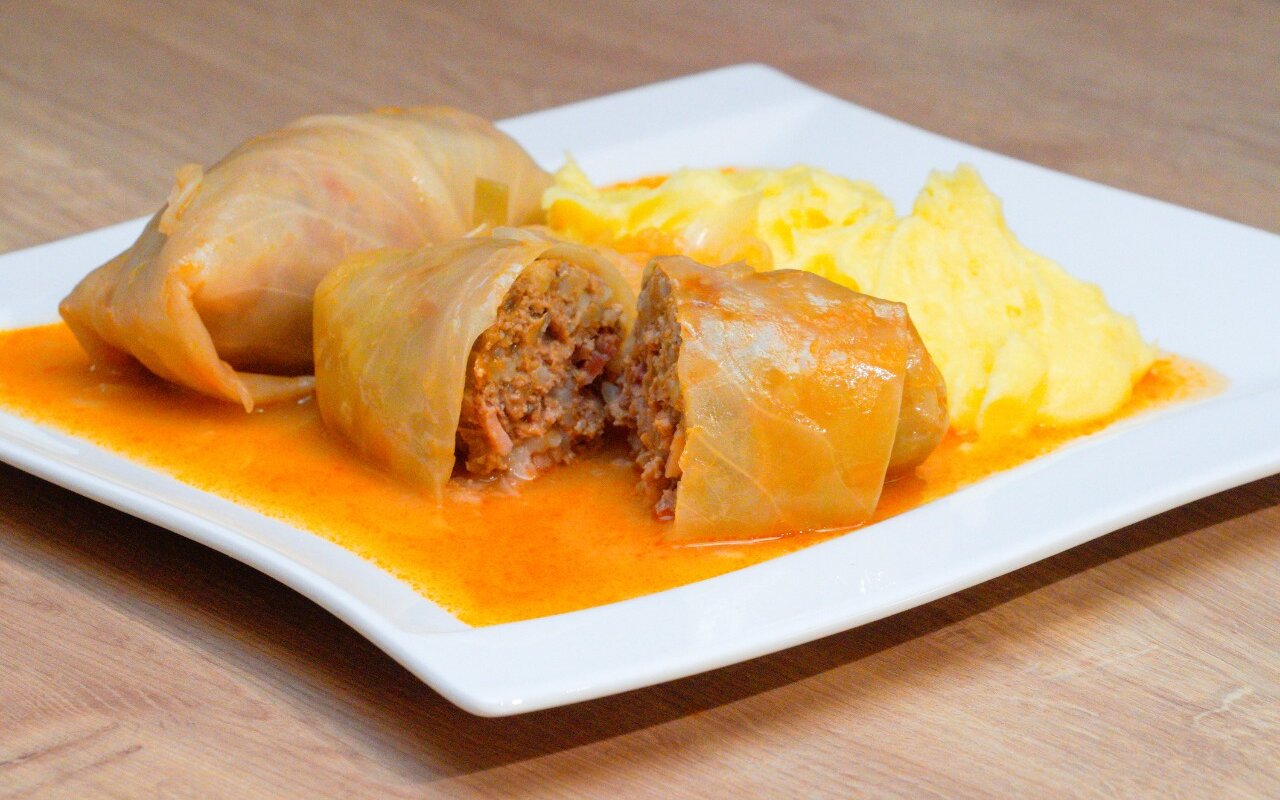
Croatian sarma is a staple of Balkan cuisine, a comforting dish that transcends seasons and generations. Its name comes from the Turkish word “sarmak,” meaning “to wrap,” an Ottoman legacy shared with other Balkan countries such as Serbia, Bosnia-Herzegovina, North Macedonia, and Bulgaria, where variations exist with slightly different ingredients and spices.
A Seasonal Culinary Tradition
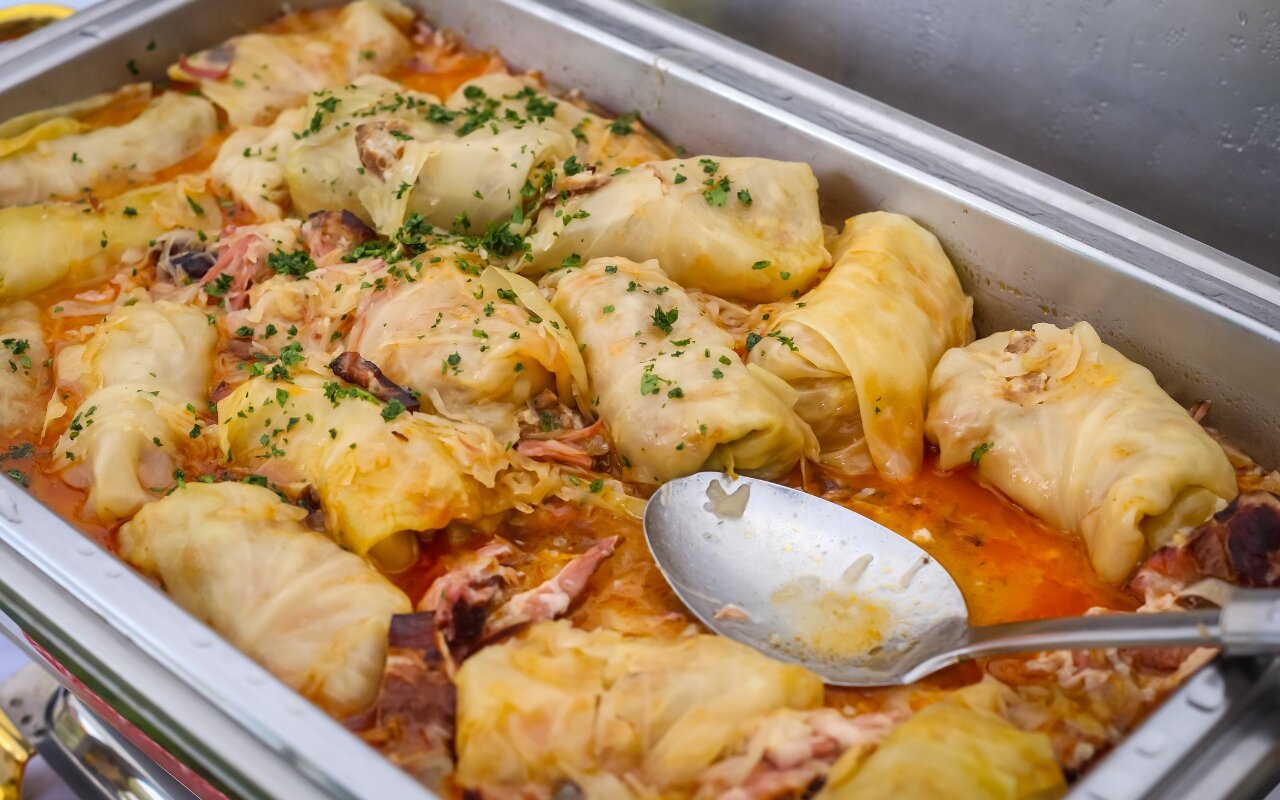
In Croatia, traditional sarma is particularly loved in winter, especially during major holidays like Christmas and New Year. During this period, it is made with fermented cabbage leaves, giving the dish a slightly tangy flavour. In summer, a lighter variant uses fresh vine leaves, reminiscent of Mediterranean dolmas.
What’s in Croatian Sarma?
The heart of the dish lies in a savoury filling made from minced meat (pork, beef, or a mixture of both), rice, an egg, spices, and sautéed onions. The rolls are simmered in a fragrant sauce made from tomato, sometimes enhanced with a piece of smoked meat for extra depth of flavour.
A Balanced and Nourishing Dish
Why is Croatian sarma so beloved? In addition to its rich and balanced taste, it is nourishing and energising, perfect for facing the winter.
- The meat provides essential proteins.
- The fermented cabbage is a natural source of probiotics, beneficial for digestion and gut health.
- The rice supplies carbohydrates for energy.
A Family-Oriented and Practical Dish
Making homemade sarma is often a convivial moment, a family recipe passed down through generations. Though the traditional recipe takes time to prepare, it has a practical advantage: it can be frozen and reheated later or kept for several days, feeding the whole family for a week. Whether for a large festive table or a Sunday meal, this dish embodies the warmth and sharing of Croatian cuisine.
Tasting sarma is also a way to travel through flavours, anticipate a future trip to Croatia, or reminisce about warm moments spent there. A simple dish can thus rekindle memories, landscapes, and the unique atmosphere of a journey.
How to Ferment Your Own Cabbage?
If you want to make a 100% homemade sarma, you can ferment your own cabbage!
Ingredients:
- 1 large white cabbage
- 30g of unrefined sea salt per kilo of cabbage
- Water
Preparation:
- Remove the first outer leaves of the cabbage and cut the base to facilitate fermentation.
- Dissolve the salt in lukewarm water and completely submerge the cabbage in this brine.
- Place a weight on top of the cabbage to keep it submerged.
- Let it ferment in a cool place (between 15°C and 20°C) for 2 to 4 weeks.
Once the cabbage is nicely tangy, it’s ready to use for sarma!
Health Benefits of Fermented Cabbage
Fermented cabbage, like sauerkraut, is a food rich in probiotics that supports gut health by promoting a balanced microbiome.
- It improves digestion.
- It strengthens the immune system.
- It optimises nutrient absorption.
Incorporating fermented foods into your diet is a great way to care for your microbiome and enhance overall well-being.
Traditional Croatian Sarma Recipe Ingredients:
- 1 onion
- 1 kg of minced meat (pork, beef, or a mix of both)
- ⅔ cup of uncooked rice (preferably short-grain)
- 1 egg
- 1 head of fermented cabbage (sauerkraut style)
- 0.5 L of tomato juice
- Salt and pepper
- A little flour
- A little mild paprika
- A little oil or lard
- (Optional: a piece of smoked meat for extra flavour)
Preparation:
- Sauté the chopped onion in a little oil or lard.
- Mix with the raw meat, egg, and uncooked rice. Add a bit of milk or melted fat for extra tenderness.
- Peel the leaves off the fermented cabbage and remove the central rib. Place a little stuffing in the centre and fold the sides to form small rolls. 👉 Video explanation on how to roll the sarma
- Arrange the rolls in a large pot and cover with water. Add the remaining cabbage, cut into strips, and if desired, a piece of smoked meat.
- Season and simmer for at least one hour.
To thicken the sauce, prepare a zaprška: sauté flour in oil or lard until it forms a paste, add mild paprika and mix. Incorporate the tomato juice and cook until thickened.
- Add the zaprška to the pot and let it simmer until the sauce becomes creamy.
For more information and other variations of sarma, check this source: Three Ways of Making Sarma – The UltimateCroatian Dish.
FAQs about Croatian Sarma
- Can you make a vegetarian sarma? Yes! Replace the meat with a mix of mushrooms, lentils, and rice for a plant-based version just as delicious.
- How long can sarma be kept? It keeps up to a week in the fridge and several months in the freezer.
- Can you use a different type of cabbage? Fermented cabbage is ideal for its tangy taste, but you can use fresh cabbage if you blanch it before rolling it.
So, are you ready to try this recipe and discover the authentic taste of Croatia?