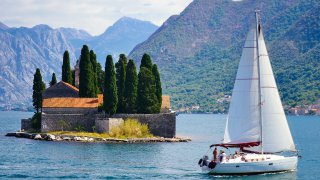
Update on the coronavirus situation in Croatia, Slovenia and Montenegro
Updated on 3rd January 2023.
- Croatia, Slovenia and Montenegro are fully open to travellers.
- These three countries have been awarded the Safe Travel label, which identifies countries and destinations with enhanced health and hygiene standards. This label is issued by the World Travel and Tourism Council (WTTC).
Follow the news of COVID-19 in Croatia
Protocols for entry and stay in CROATIA
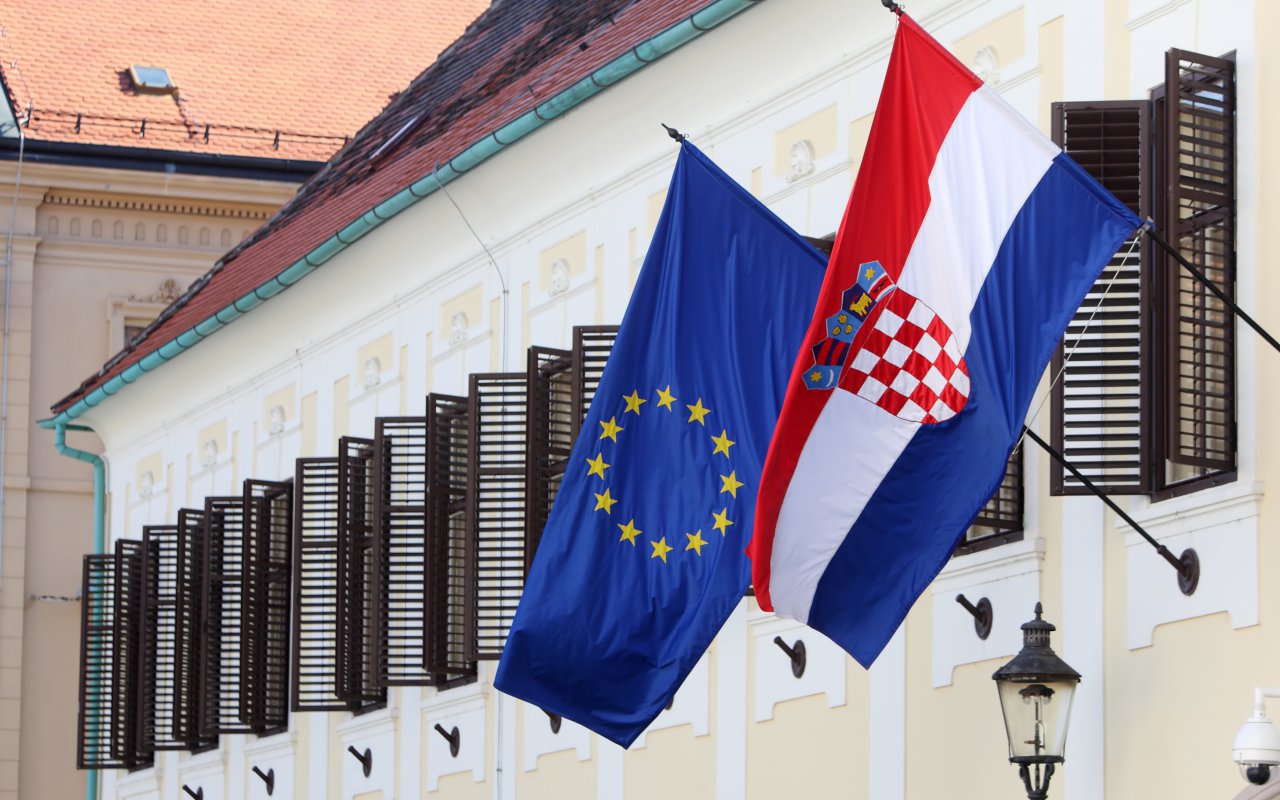
There are no longer any health requirements for entering Croatia.
Travel restrictions related to COVID-19 have been lifted in Croatia. Travellers are not required to provide COVID-19 certificates or test results. They do not need to fill in the form to enter Croatia, and quarantine no longer applies.
Conditions for travelling to Croatia
Mandatory masking in the health care system and in medical and social institutions, both for employees and persons attending these institutions, as well as for employees of social welfare institutions that house the elderly and disabled.
The situation is still evolving. Information on entry requirements, health developments and local authority advice can be found on the websites of the Croatian government and the Ministry of Health.
For the conditions of entry or transit in neighbouring countries, it is advisable to consult the websites of the diplomatic representations of these countries and to consult the page Advice to travellers of the Ministry of Europe and Foreign Affairs, by destination.
As far as air traffic is concerned, several airlines, including Air France and the national airline, Croatia Airlines, operate direct flights between France (Paris and Lyon) and the cities of Zagreb, Split and Dubrovnik. Easyjet, Volotea and Ryanair also offer good alternatives.
Conditions for entering your country on your return from Croatia
You should check the restrictions imposed by your country of residence and your airline if you are travelling by air, or by land borders if you are arriving by road.
Testing for COVID 19 in Croatia
1. Preventive or personal screening :
Testing for personal reasons (e.g. travel abroad, etc.) can be done at the applicant’s expense.
Public screening centres in Croatia: List
Other screening centres: Zagreb / Zagreb airport / Pula / Zadar / Split airport / Dubrovnik
2. Screening in case of symptoms :
In case of symptoms of acute respiratory illness suggestive of COVID-19 (e.g. fever, sore throat, cough, difficulty in breathing, loss of smell or taste…), it is possible to contact COVID-19 clinics or tourist clinics (turistiska ambulanta). It is also possible to go to the nearest hospital emergency room or to call the emergency medical service on 194 or 112.
If you test positive for COVID-19 on Croatian territory
The health regulations in force in Croatia stipulate that people who test positive for COVID-19 on Croatian territory must isolate themselves for 10 days before they can consider leaving the country.
It is therefore up to travellers who test positive for COVID-19 during the screening test prior to their return to France to take all the necessary steps to organise, at their own expense, the conditions of their accommodation during these 10 days. The Croatian health authorities organise the control but not the material conditions of this self-isolation.
In case of serious symptoms of Covid-19
In application of the European regulation on the use of emergency care in another Member State, persons holding a European Health Insurance Card and suffering from coronavirus during a temporary stay in Croatia are entitled to the care required for the treatment of this disease in that country.
For more information on the evolution of the situation in Croatia
Protocols for entry and stay in SLOVENIA
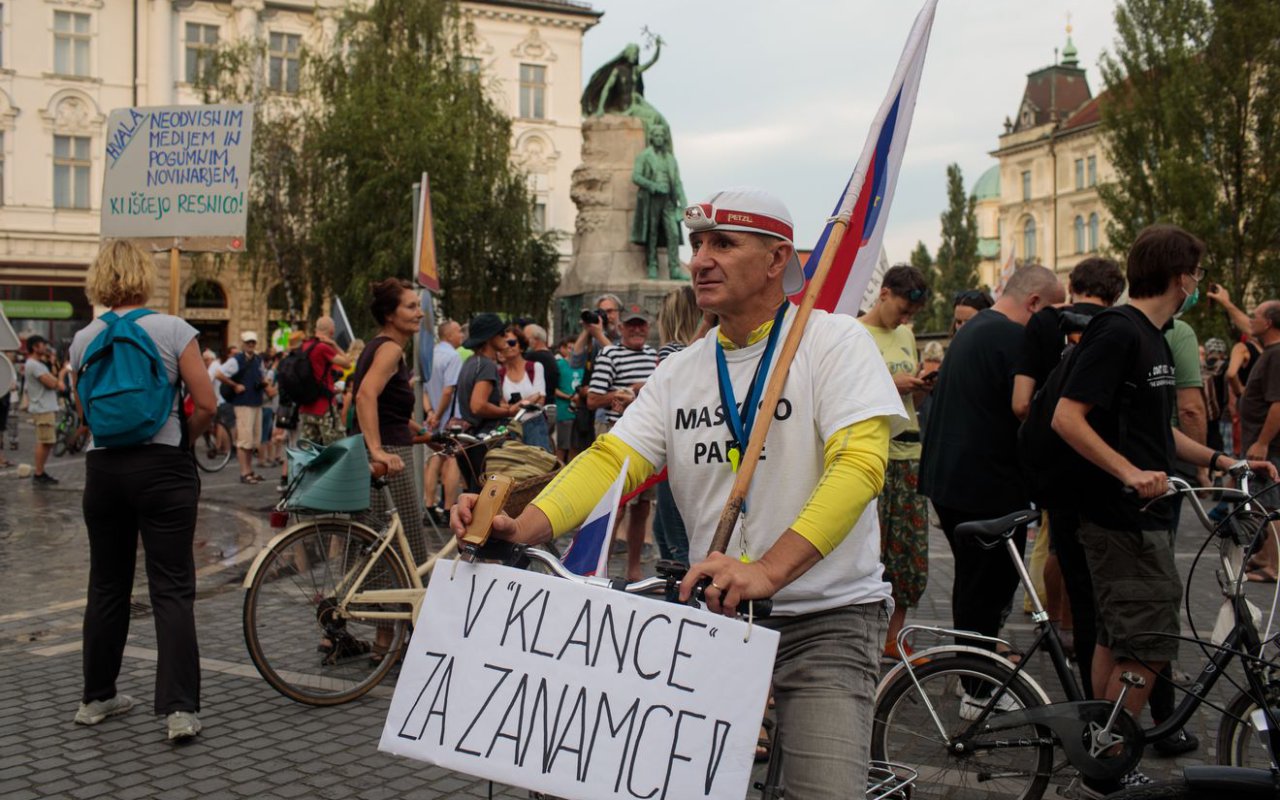
Covid-19 restrictions no longer apply to entry into Slovenia.
However, the regulations are likely to change rapidly if the health situation deteriorates. It is therefore important to find out about the state of the health situation and how to enter Slovenia before travelling.
The country has obtained the Safe Travel label in the early stages of the pandemic and has established a national safety label: Green & Safe label.
Main health measures within the country
Wearing a mask is no longer mandatory, but is still recommended.
Exception: the use of protective masks (type II or IIR, type FFP2 or FFP3), as well as hand disinfection, remain mandatory in closed areas of health and social care institutions.
Conditions of entry into your country on your return from Slovenia
You should check the restrictions imposed by your country of residence and your airline.
For more information
Protocols for entry and stay in MONTENEGRO
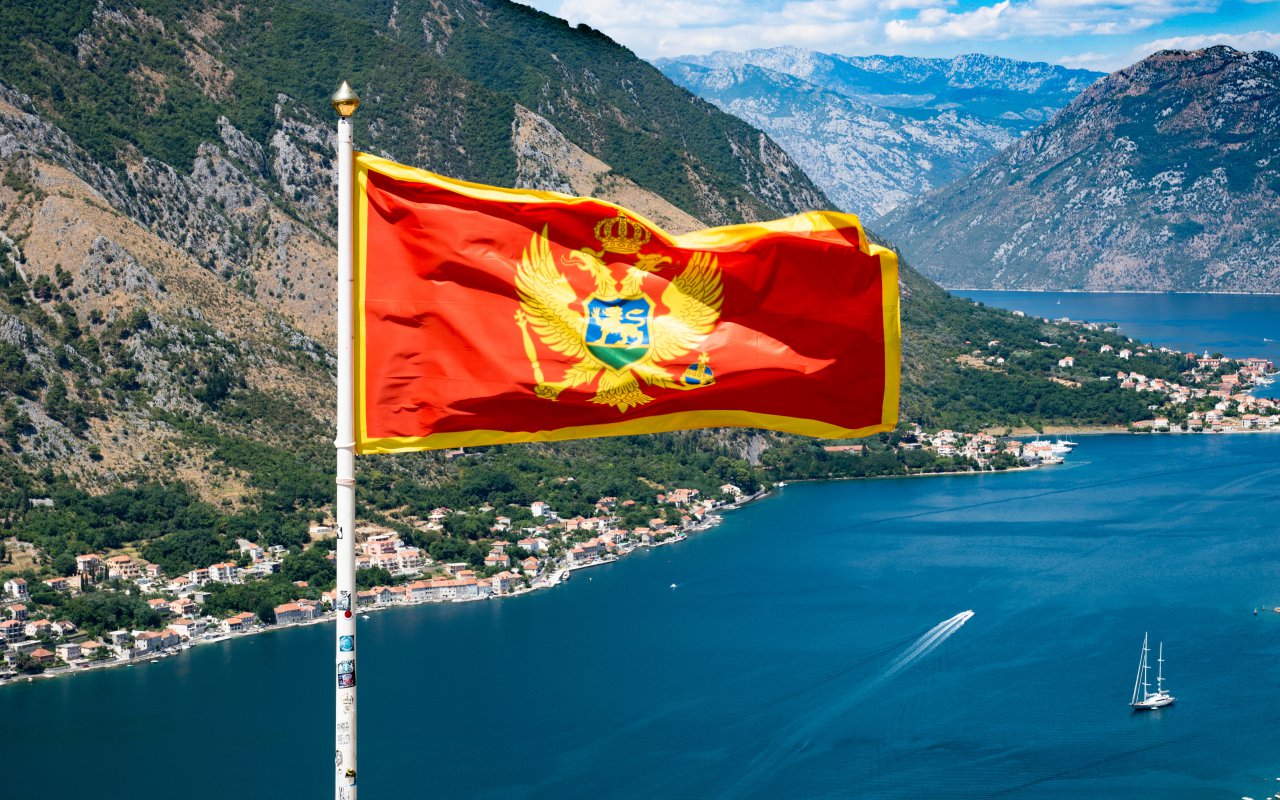
Since 11 March 2022, both Montenegrins and foreign nationals are allowed to enter Montenegro without the need to present a COVID pass.
The country was awarded the Safe Travel label by the World Travel and Tourism Council (WTTC) in October 2020.
Measures in force in Montenegro
Since 8 April 2022 :
Wearing a mask remains mandatory, in public transport, collective accommodation and health facilities. It is no longer required in supermarkets, schools and shopping centres.
Gatherings are authorised provided that basic sanitary rules are respected (wearing a mask, distancing and disinfecting hands). The presentation of a health pass is no longer mandatory.
These measures are subject to change without notice.
Furthermore, it is recommended to follow the instructions of the local authorities (in particular on the website of the Montenegrin government, the Public Health Institute, the Ministry of Health and the national website on Covid-19).
Conditions for entering your country on your return from Montenegro
You should check the restrictions imposed by your country of residence and your airline if you are travelling by air, or the land borders if you are arriving by road.