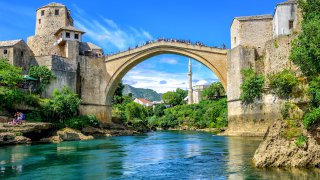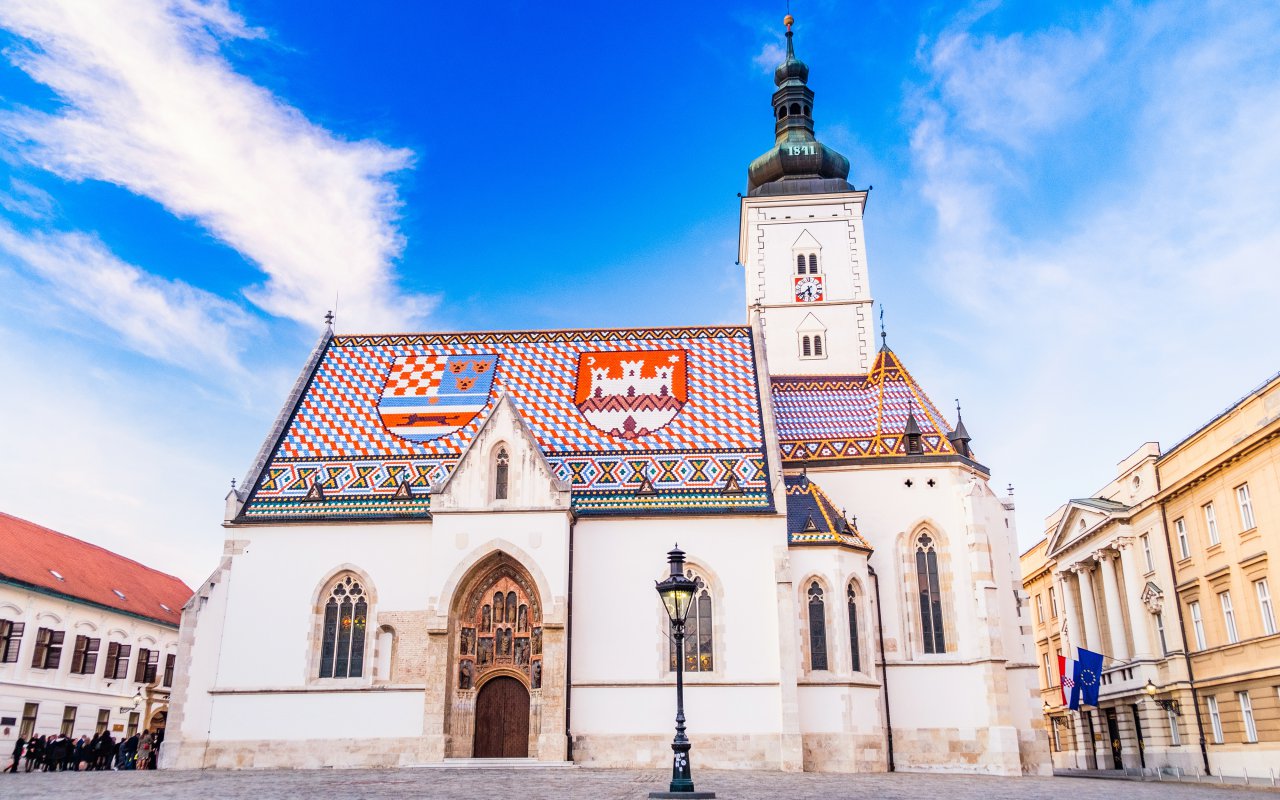
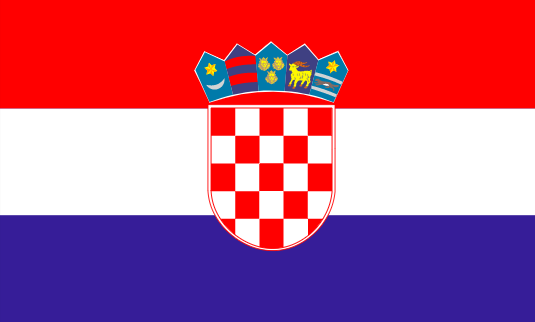
Straddling between Central Europe and the Mediterranean Sea, Croatia covers an area of 56,538 square kilometers. Its crescent-shaped territory stretches from the Danube in the northeast, to Istria in the west, to the mouths of Kotor in the southeast. It has land borders with Hungary and Slovenia to the north, Serbia, Bosnia and Herzegovina to the east and Montenegro to the south. It has a maritime border with Italy.
Croatia at a glance
Official name: Hrvatska
Capital: Zagreb
Official Language: Croatian
Area: 56,538 square kilometers
Population: 4 million inhabitants, 800,000 of whom live in Zagreb.
Political system: Parliamentary system
Main religions: Catholics (87.8%), Orthodox (4.4%), Muslims (1.3%)
Currency: Euro (EUR)
European Union Membership: Yes
Schengen area: Yes
Euro zone: Yes
Croatia in numbers
- 7 UNESCO World Heritage sites
- 8 national parks
- 1,185 islands and islets
UNESCO World Heritage Sites
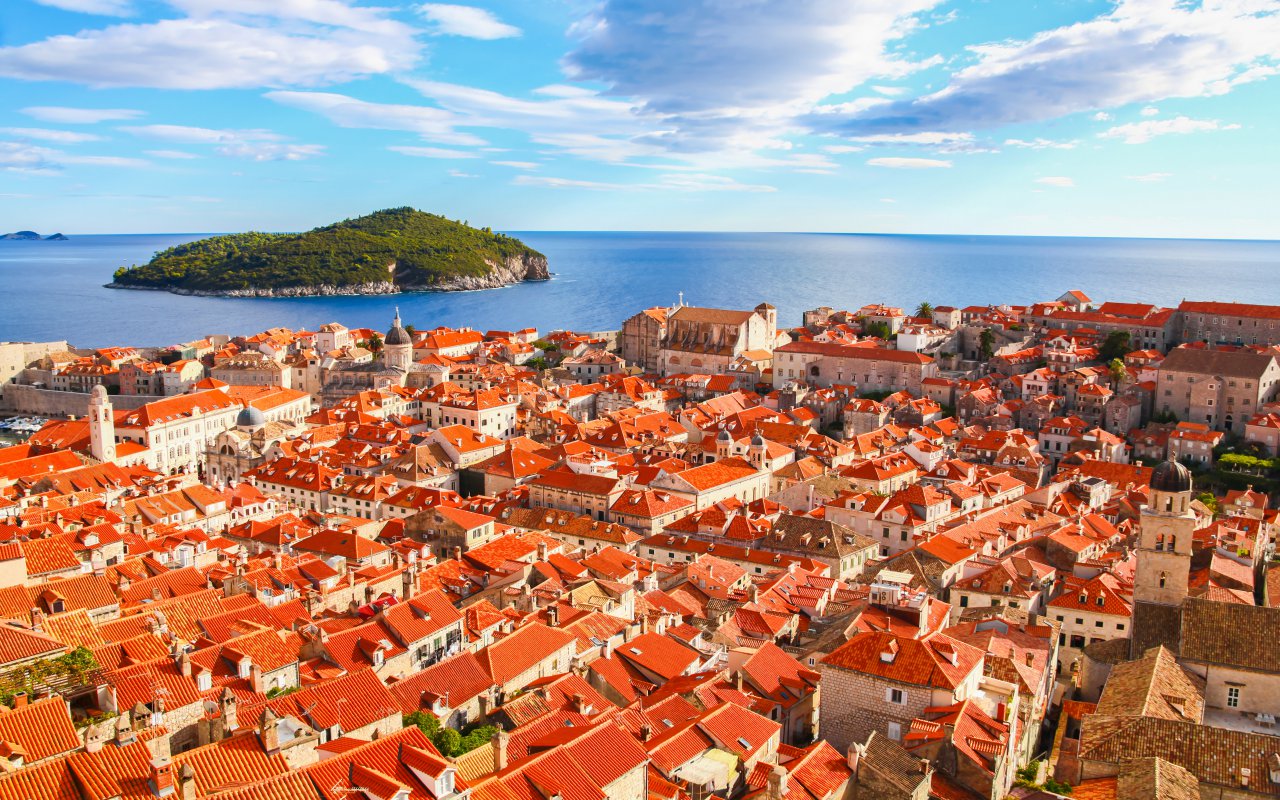
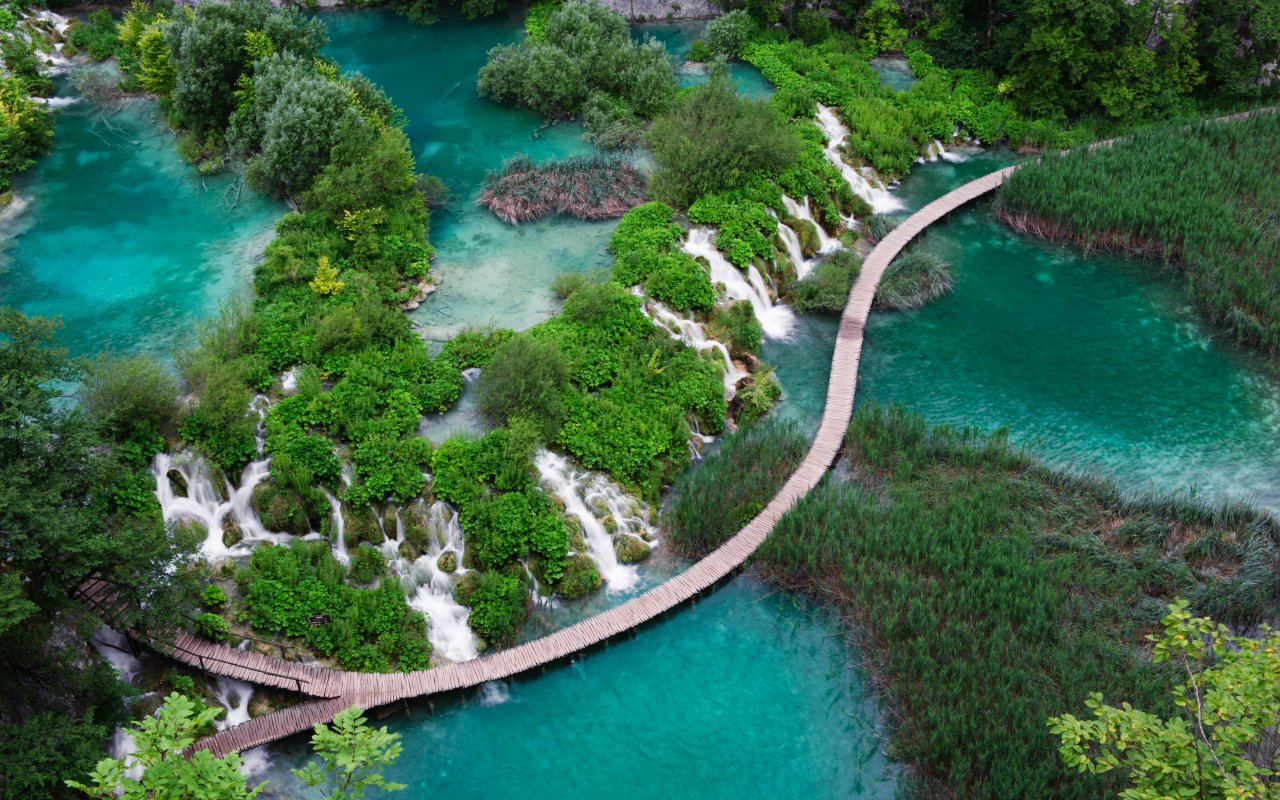
In Croatia, there are 7 UNESCO World Heritage sites.
Cultural sites :
- The Old City of Split with Diocletian’s Palace (1979).
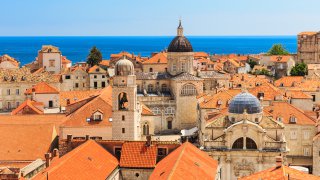
- The Old City of Dubrovnik (1979).
- The City of Trogir (1997).
- The Euphrasian Basilica of Porec (6th century), located in the historic centre (1997).
- The Cathedral of St. James in Šibenik (2000).
- The Plain of Stari Grad, on the island of Hvar (2008).
Natural site :
- Plitvice Lakes National Park with its waterfalls and lakes (1979).
Famous artists and personalities
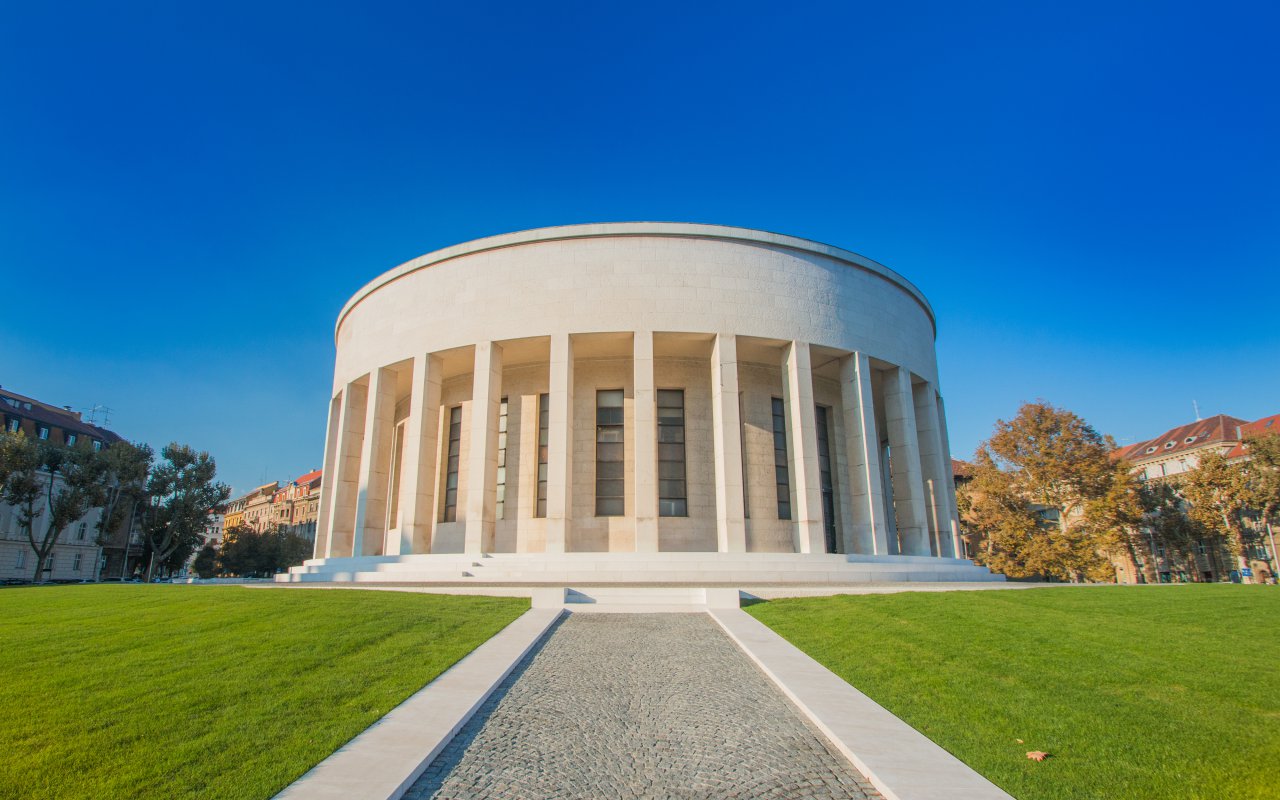
As far as famous Croatian artists and personalities are concerned, the sculptor Ivan Mestrovic is considered to be one of the greatest Croatian artists. There is a museum entirely dedicated to him in Split, his hometown.
Finally, how could we not mention the scientist and inventor in the field of electricity, Nikola Tesla, who was born and spent his youth in Smiljan, north of Zadar, and who is the pride of the whole country. His inventions have revolutionized science and he is still the pride of the whole country today.
Did you know that ...?
- Kuna, the Croatian currency, means marten because in the Middle Ages the fur of this animal was used as a currency of exchange.
- The Dalmatian, popularised by the Disney classic, The 101 Dalmatians, originated in Dalmatia.
- The Tie was invented by the Croatians. Adapted from the Slavic hrvat (which means Croatian), the “tie” originally referred to a Croatian soldier of the light cavalry in 1630, who at that time was wearing a scarf tied around his neck. Louis XIII found this scarf very elegant and adopted it. The tie was popularised in its present form by the French and became a must at the court of Louis XIV. Today it is one of the symbols of Croatian culture.
Check out our customizable trips and book your tailor-made trip to Croatia.
More about Croatia

Book your trip to Croatia
Check out our customizable trips and book your tailor-made trip to Croatia.