Croatia proudly boasts ten UNESCO World Heritage Sites, which is quite amazing for such a small country. Well, it may be small, with only 56,542 km², but it shines thanks to its culture and rich history. You may already know some of these sites, but let’s discover together what this beautiful country has to offer.
This list includes historical sites, unusual places, natural areas… You’ll find everything you’re looking for and more!
The Historical Center and Diocletian’s Palace
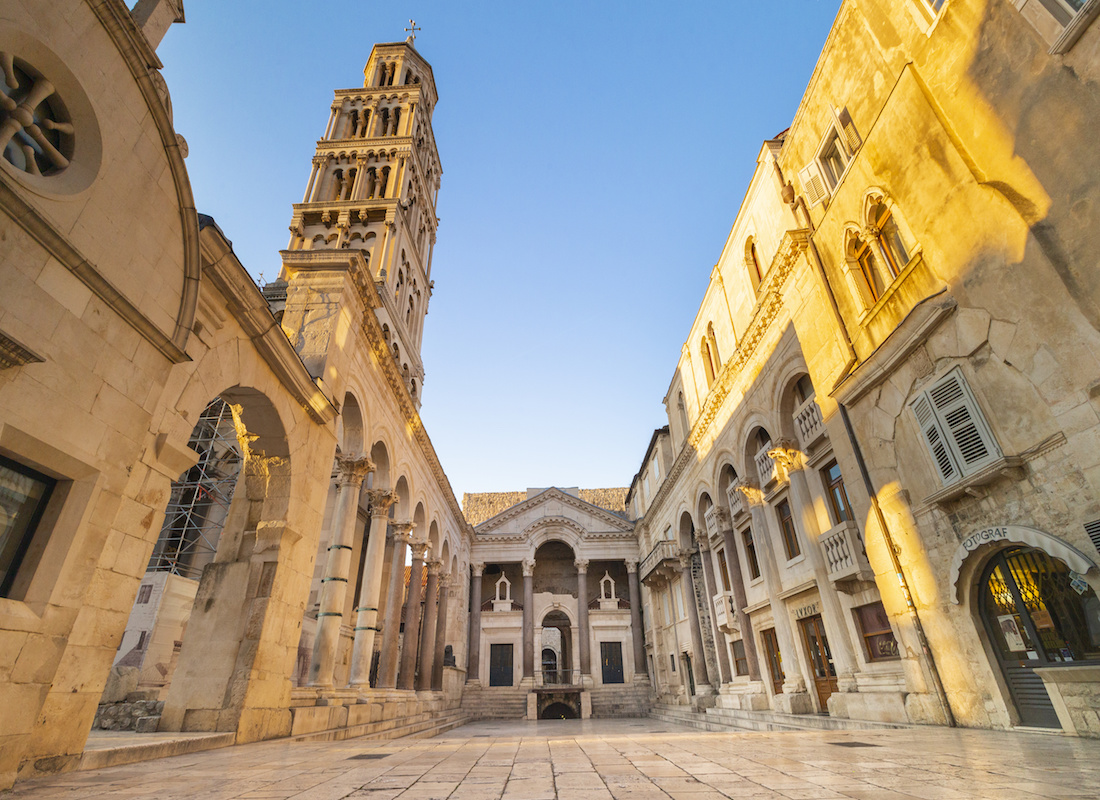
Although Split is the second-largest city of Croatia, it may have never existed hadn’t it been for the construction of Diocletian’s Palace. Emperor Diocletian had it built at the end of the 3rd century as his place of retirement. As the emperor’s servants came to work, the city started to develop around the Palace, which became the historical center of Split. At some point, the people of Split began to build homes within its walls and live there. You can visit it for free and enjoy its many bars, restaurants, shops, and museums. It is also one of the best-preserved complexes of Roman architecture.
Fun fact : On the Peristyle, the central square of the Palace, you can admire genuine Egyptian columns and a sphinx.
You can also check out our article : A cultural trip to Split
The Old City of Dubrovnik
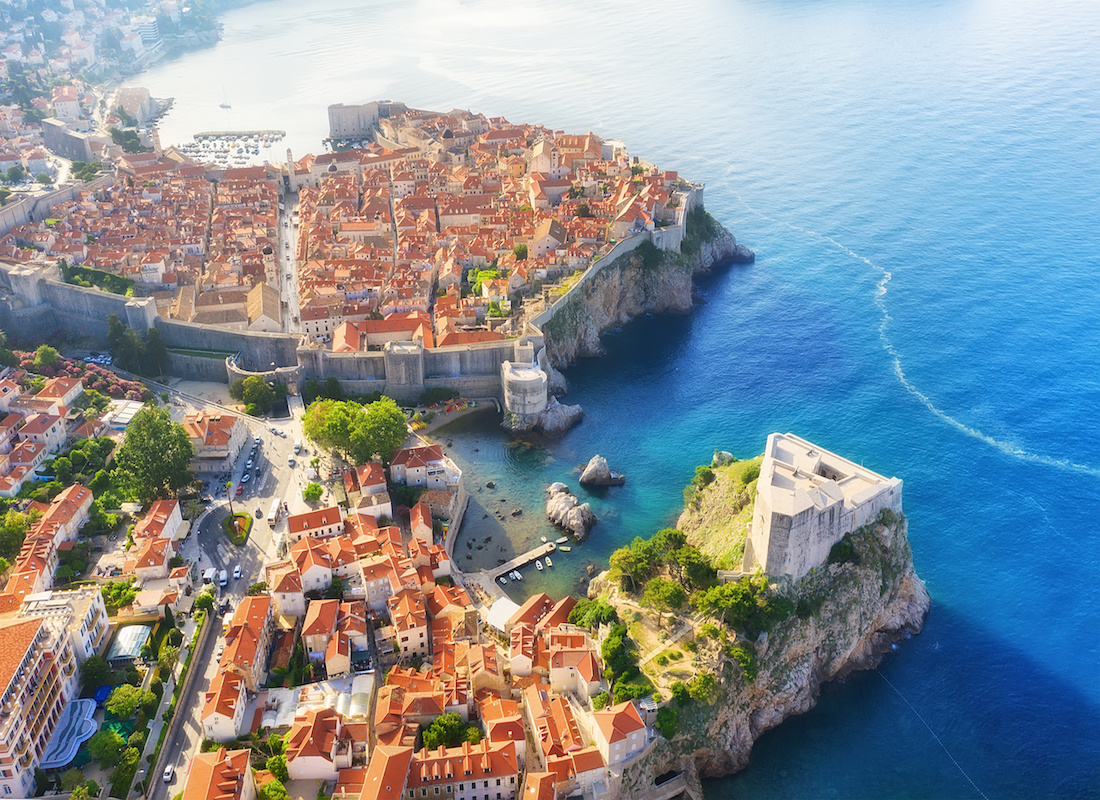
Do you know which city is known as the “Pearl of the Adriatic”? It’s Dubrovnik, of course!
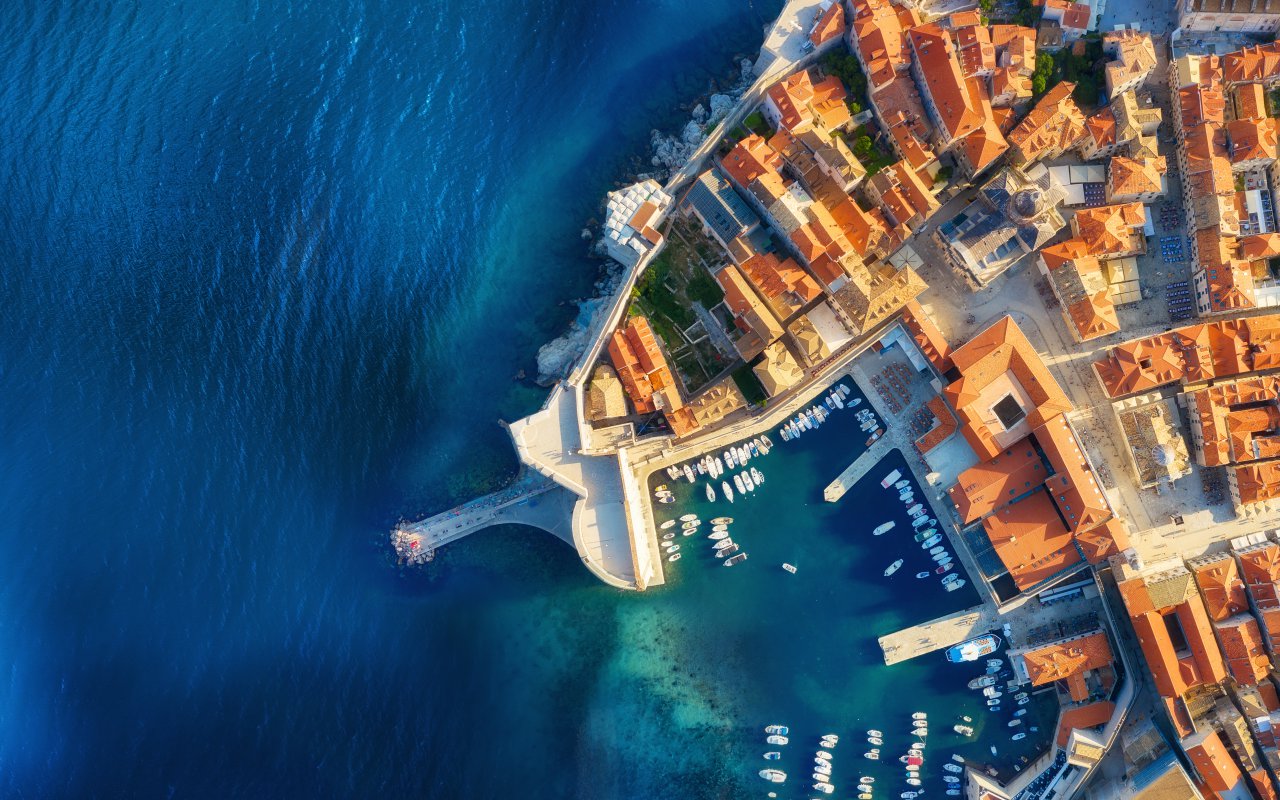
Located on the Dalmatian coast in the south of Croatia, the Old Town of Dubrovnik became an important Mediterranean harbor in the 12th century. It was even the capital of the independent Republic of “Ragusa” for many centuries, the only city-state that could rival Venice in terms of economic and maritime power.
Nowadays Dubrovnik is an exceptionally well-preserved city, displaying terra cotta roof tiles, sacral buildings, cobbled streets, and iconic fortified walls that prevented attacks from invaders.
At the end of the street stand the monumental Gothic-Renaissance Sponza Palace and the Rector’s Palace, which you may already know from the famous Game of Thrones series.
You can find out everything about the filming locations in Croatia for the TV series in our article.
Plitvice Lakes National Park
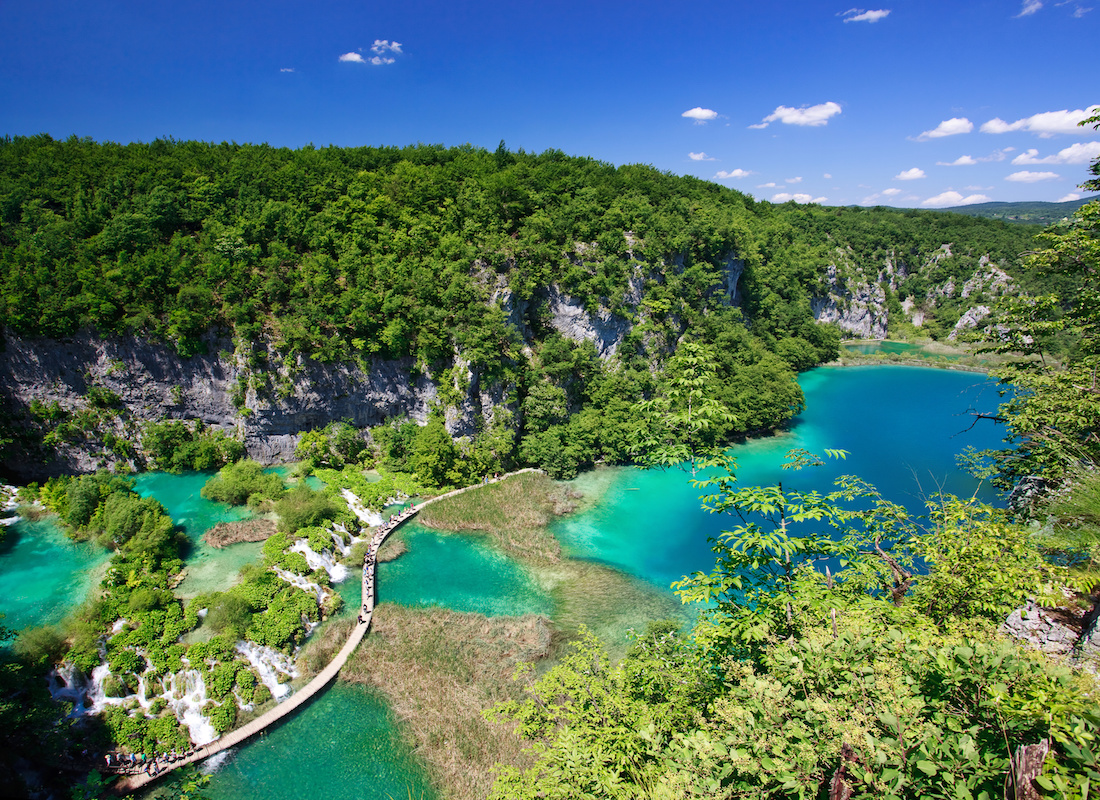
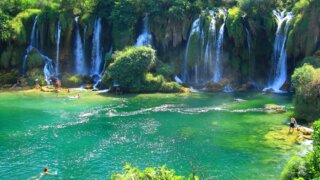
We cannot deny the beauty of the Plitvice National Park! The park is famous for its 16 cascading lakes connected through waterfalls and small rivers and for being the largest (296 km²), the oldest (established in 1949), and the most visited (more than a million visitors each year) National Park in Croatia.
A unique landscape and extremely rich fauna and flora. The surrounding forests are home to numerous animal and plant species, the most famous of which are the brown bear and the wolf.
With an entrance ticket, you can spend the whole day strolling around the lakes or hiking in this gigantic park and believe us, it’s worth it!
Tips : The best time to visit the park is April or October when the climate is pleasant, the entrance fees are cheaper and there are fewer tourists.
If walking isn’t really your thing, you can also visit the park by panoramic train, but there’s really nothing better than strolling through the landscapes at your own pace!
The historic city of Trogir
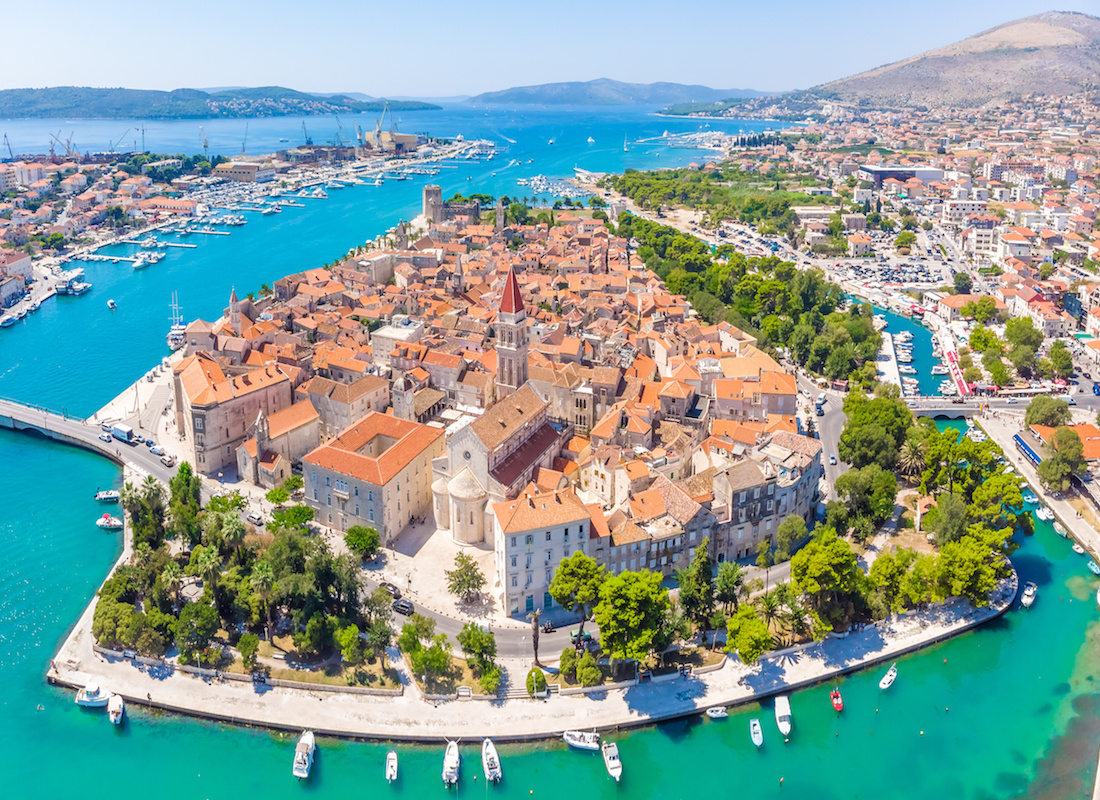
Trogir has made it out unscathed throughout its history and is blessed with an exceptional cultural heritage inherited from Greek, Roman, and Venetian rules.
It is the best-preserved Romanesque-Gothic city in all Central and Southeastern Europe. It’s impossible to resist the medieval center with the Kamerlengo Castle, ancient houses, and various Romanesque, Gothic, Renaissance, and Baroque palaces.
The Euphrasian Basilica in Porec
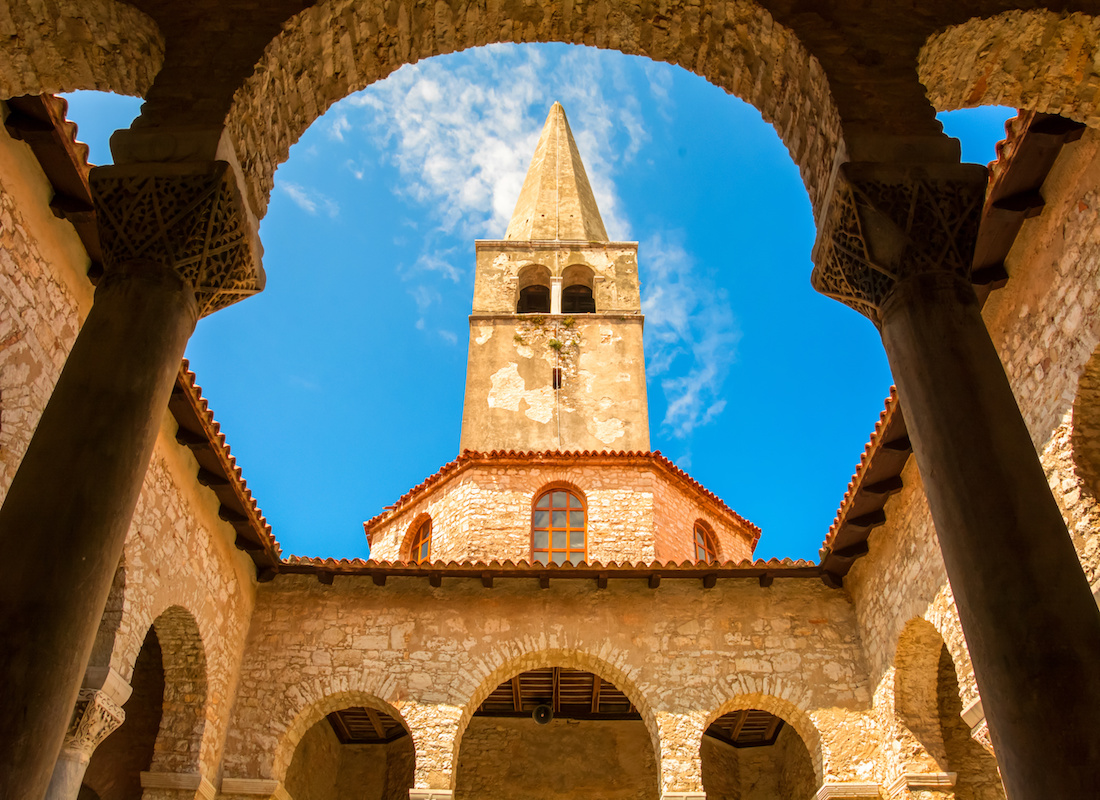
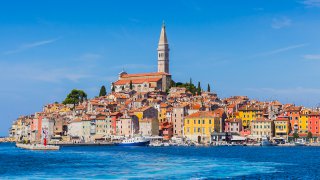
Don’t let the size of this small coastal city in Istria fool you, Porec is full of surprises …
Porec became one of the first Christian cities in the 4th century. It houses several religious monuments such as a basilica, an atrium, a baptistery, and a bell tower. This complex is incredibly complete, well-preserved, and represents an outstanding, unique example of Proto-Byzantine art and architecture in Croatia.
Šibenik Cathedral
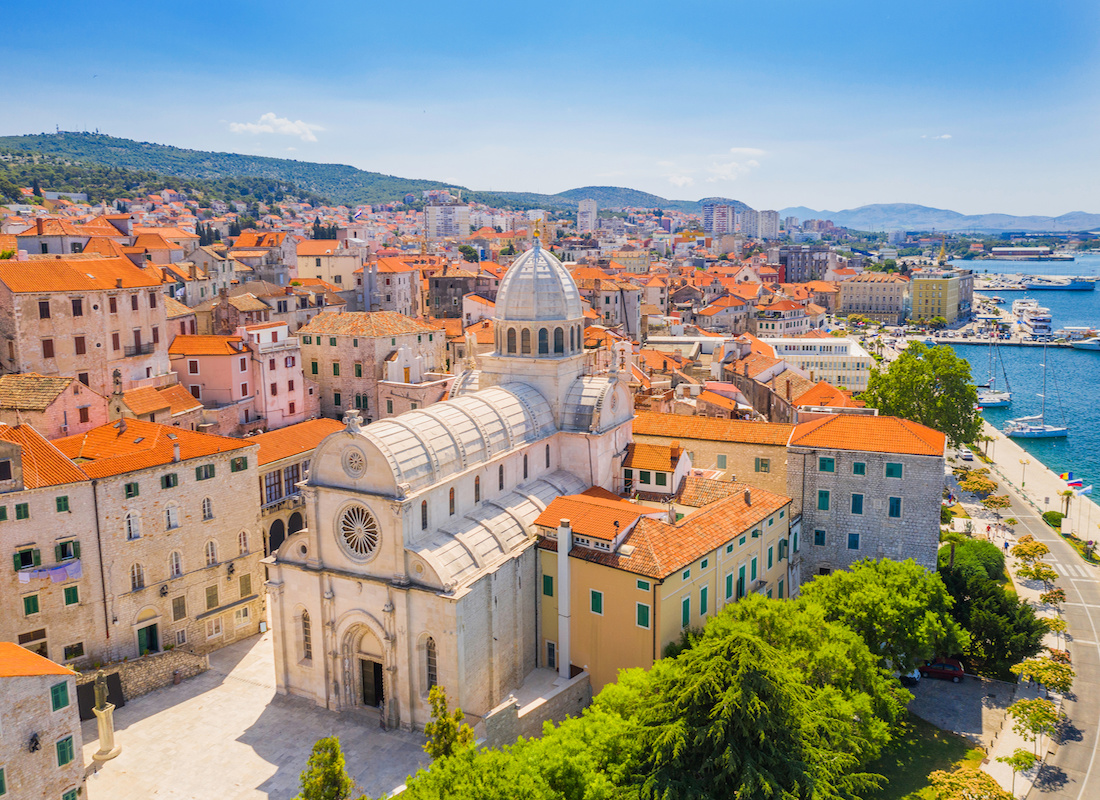
Built during the 15th century, the majestic Cathedral of St. James is the result of numerous architectural influences : Tuscany, Northern Italy, and Dalmatia at the beginning of the Renaissance period. It appears to be the tallest building in the world made entirely of stone. The facade, studded with sculptures of 71 heads of women, men, and children, is impossible to miss. Knowing all these things, you can understand why it is included in this list.
Ancient and Primeval Beech Forests of the Carpathians and Other Regions of Europe
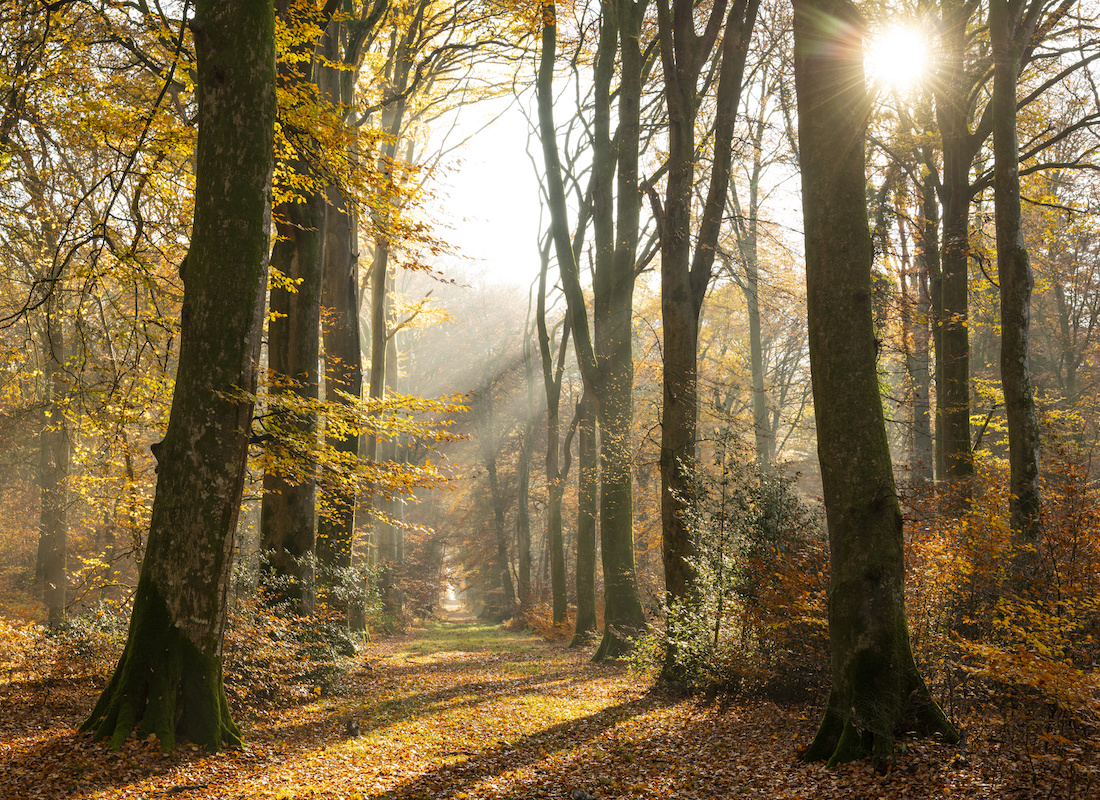
This site is quite special because it isn’t limited to Croatia. Encompassing forests in 12 European countries (779 km²), the Primeval Beech Forests of the Carpathians are the largest European site on the UNESCO World Heritage Site. To discover the Croatian “part” of this site, you can go to either the Paklenica National Park or the Northern Velebit National Park.
These primeval beech forests contribute greatly to the development of the European ecosystem, so their protection is of paramount importance.
Stari Grad Plain
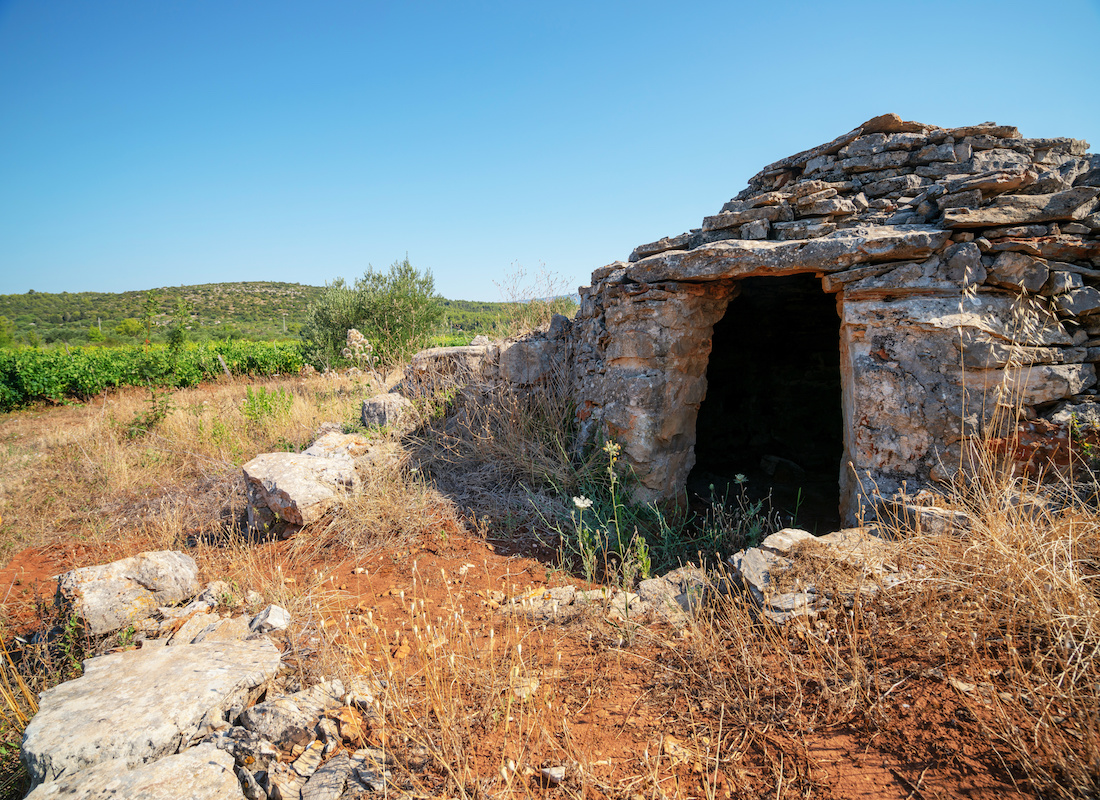
Stari Grad is also a peculiar site! Located on Hvar Island, this unique and well-preserved fertile plain was first colonized by Greeks in the 4th century BC and has remained virtually intact ever since! You can admire the ancient stone walls and the crops of grapes and olives still being harvested today. During your visit, you will also discover the Greek harvesting system used by the first settlers.
Stecci Medieval Tombstone Graveyards
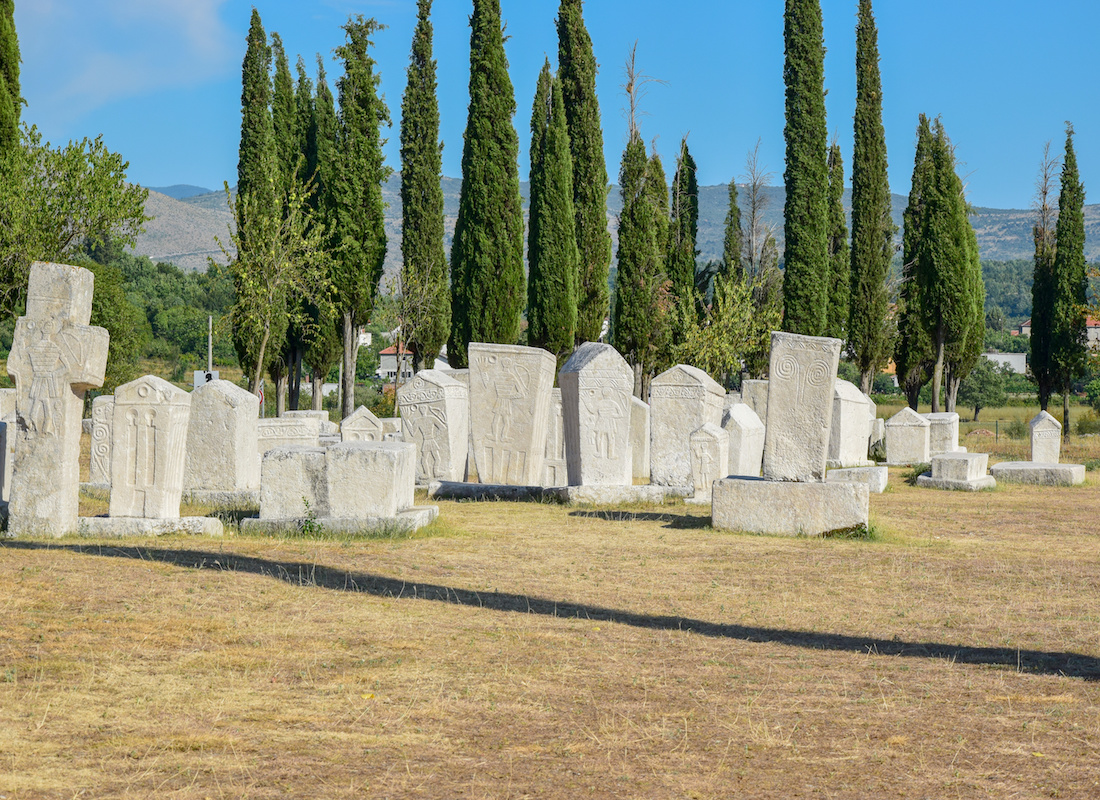
These medieval tombstones, also known as “stećci”, are scattered across Croatia, Bosnia-Herzegovina, Serbia, and Montenegro.
Created between the 12th and 16th centuries, stećci were hewed from limestone and placed in rows according to customs in European funerary practice. People decorated them with various inscriptions, carvings, and motives. To see stećci in Croatia you must visit one of these two necropolises : Cista Velika and Konavle.
Zadar’s Defensive System and St. Michael’s Fortress in Šibenik
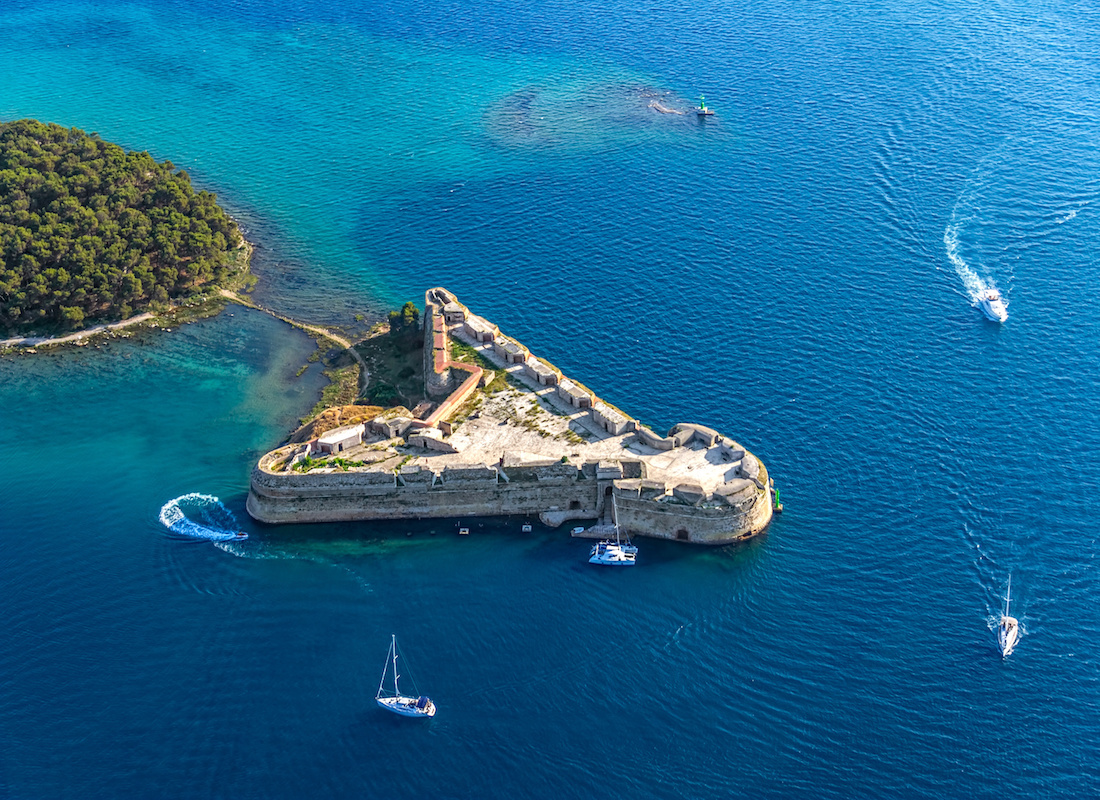
These fascinating Croatian UNESCO sites are two of the six defensive structures built by Venetians during the 16th and 17th centuries on the Adriatic coast to protect the city-state from other European powers. It kept maritime routes safe for Venetian ships and their trading partners. It is said that the fortress was so impressive that no one dared to attack it (a damn good deterrent!).
This article has listed all the UNESCO World Heritage Sites in Croatia that are protected, preserved, and considered World Heritage Treasures. But that doesn’t mean there aren’t other things to see in Croatia! You can also admire other places such as the islands, each more beautiful than the other!
Check out more travel ideas