Discover Balkan fauna in Croatia, Slovenia and Montenegro
The fauna of the Balkans is very diverse and has many protected species.
There are also many species of birds such as the sparrow hawk, woodland owl, capercaillie and griffon vulture in Croatia, the golden eagle in the mountains of Montenegro and many species of water birds in the marshy region of Skadar such as the heron, the black ibis or the very rare curly pelican.
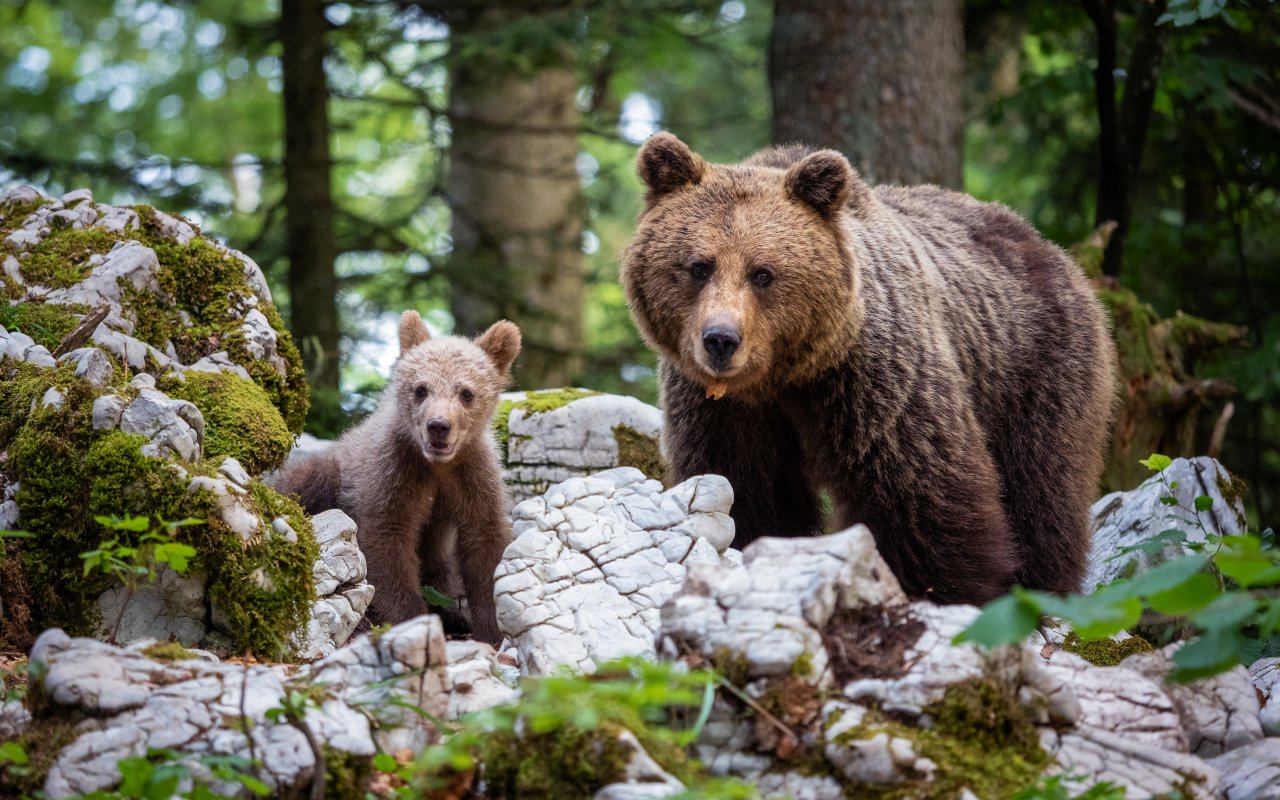
The most represented wild animals are the brown bear in Slovenia and Croatia, the wolf, wild boar, marten, deer and stag in eastern Croatia.
The Adriatic Sea is home to many species of fish and cetaceans that are typically Mediterranean.
Here is a small presentation of the most emblematic Balkan species.
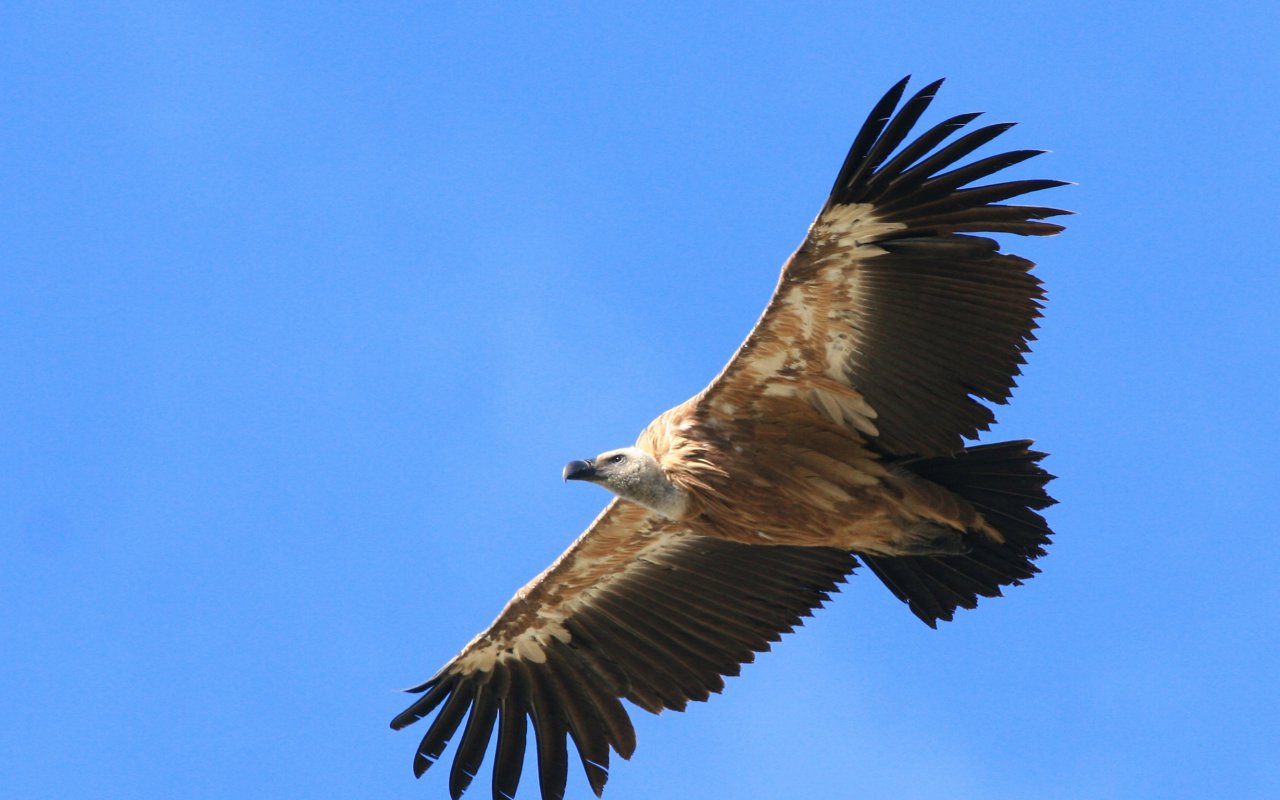
With a wingspan of up to 2.85 meters, it is the largest of the birds still present in Croatia.
The Griffon vulture can be recognized by its white head. Its two largest cousins, the Monk Vulture and the Bearded Vulture, have already disappeared from this region a few decades ago. Unfortunately, Griffon vultures are also in danger of extinction.
A hundred years ago, they were present all over Croatia. Today, there are only about a hundred pairs nesting on five Croatian islands: Crès, Prvic, Krk, Plavnik and Rab. Most of their nesting areas are classified as protected areas but unfortunately this is not the case for all of them.
The griffon vulture
The brown bear
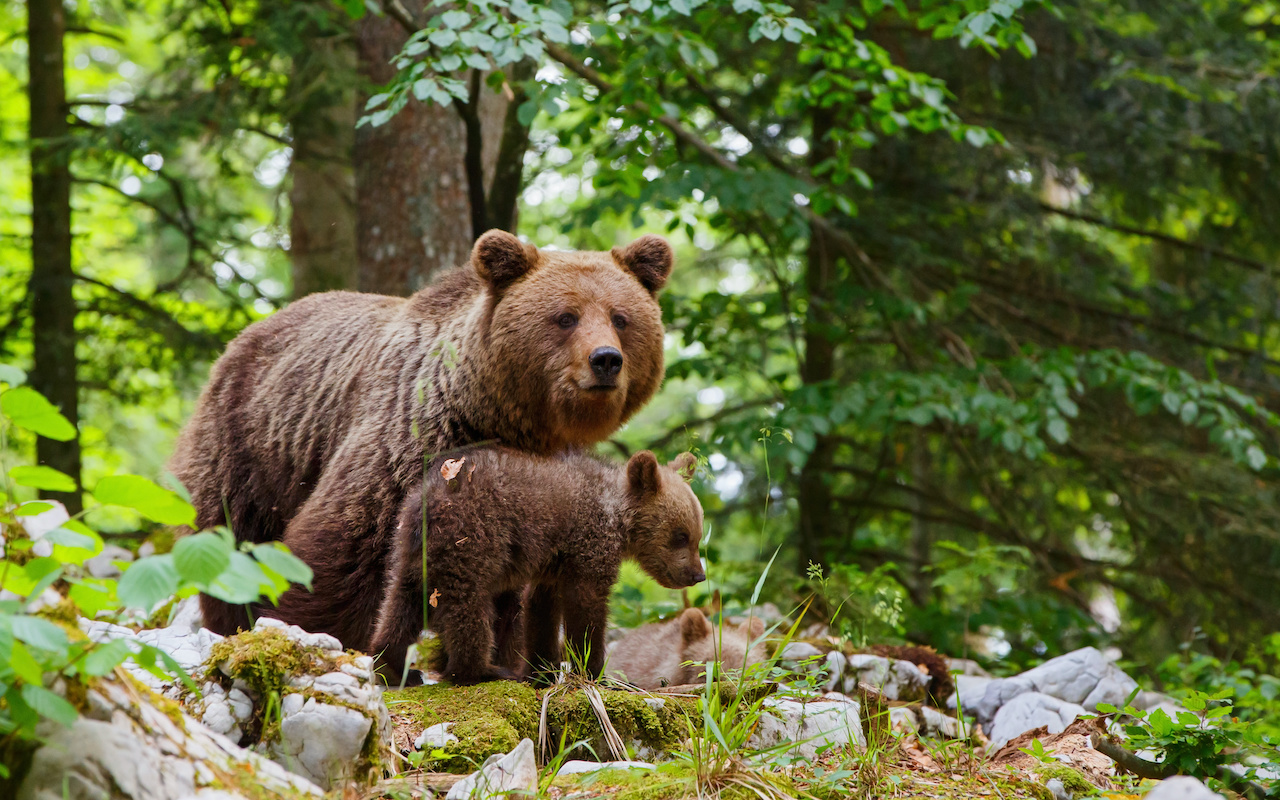
The brown bear is a strictly protected species in Europe as it has practically disappeared from Western Europe. However, it remains very numerous in Croatia and Slovenia. This region is almost completely covered with forests and forms a perfect natural habitat for this species. It is possible to observe them in Slovenia.
With patience and accompanied by an experienced guide who knows their habits, you can see them in the regions of Kocevsko and Notranjska in the south of the country. The guide will then take you to observation posts located high up in the trees. This is a unique experience in Europe, tested and approved by our team.
The lynx
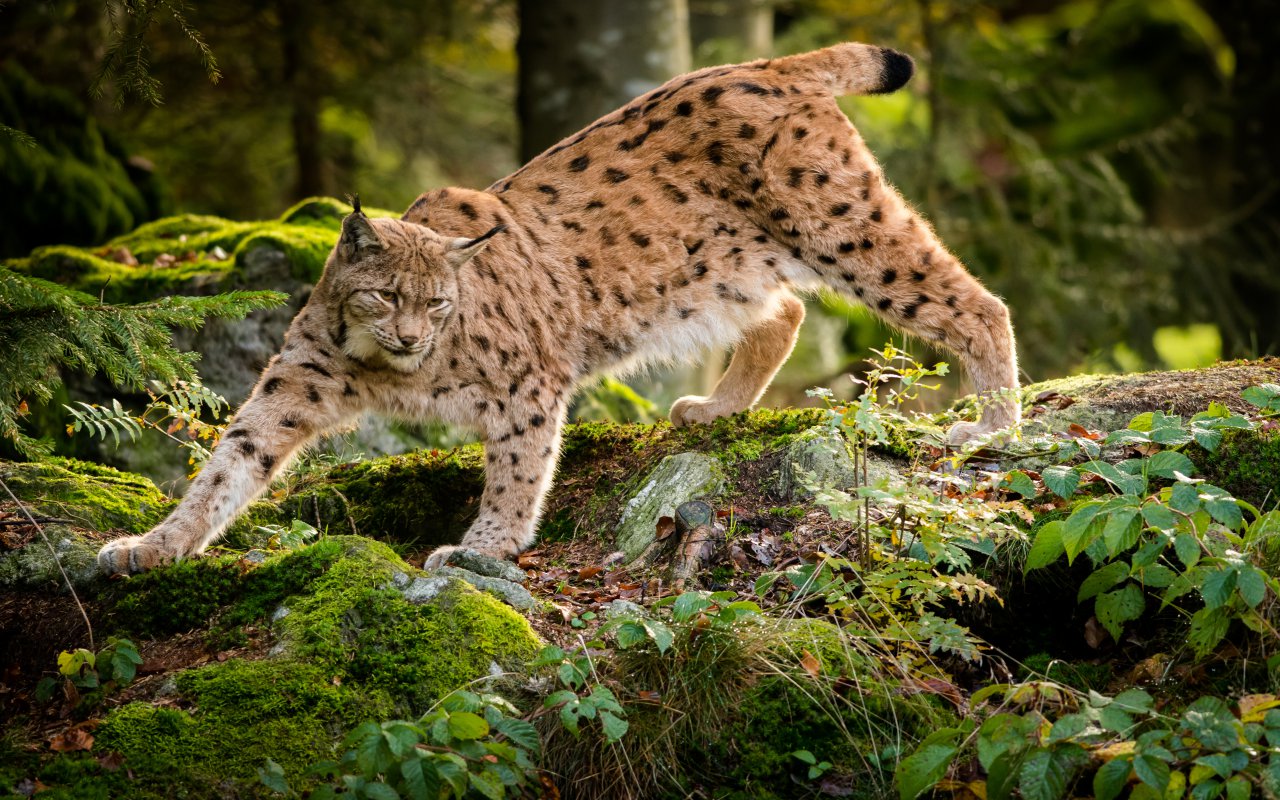
The lynx is probably one of the rarest animals living in Europe. It is extremely difficult to observe it. In the Balkans, there are very few individuals. It is found in Slovenia and Croatia, for example.
At present, the Risnjak National Park, north of Rijeka, is one of the last refuges in Europe for the lynx, thanks to its mountains and immense protected forests.
It is the symbol of the lynx and has even given it its name (Lynx is called “Ris” in Croatian).
The Proteus
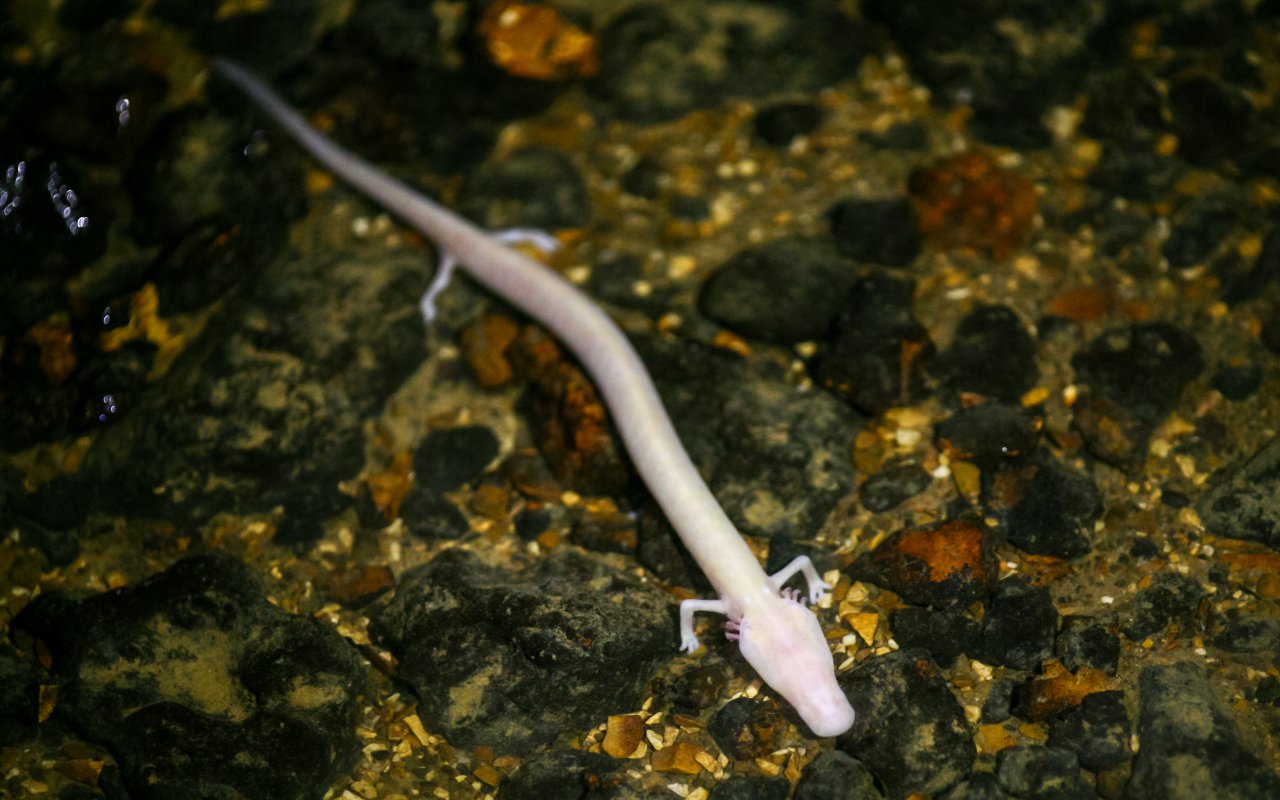
Proteus is a very rare endemic species living in the groundwater of the Dinaric Alps of Slovenia (it can be observed in the famous Postojna Caves, among others) up to the course of the Ombla River near Dubrovnik.
It is a flesh-coloured amphibian measuring between 20 and 30 centimetres in length, totally blind and has both lungs and gills. It is a formidable predator perfectly adapted to its natural environment.
Like other amphibians, it has the ability to regenerate its limbs. An animal with a prehistoric appearance that deserves its nickname “baby dragon”.
The big dolphin
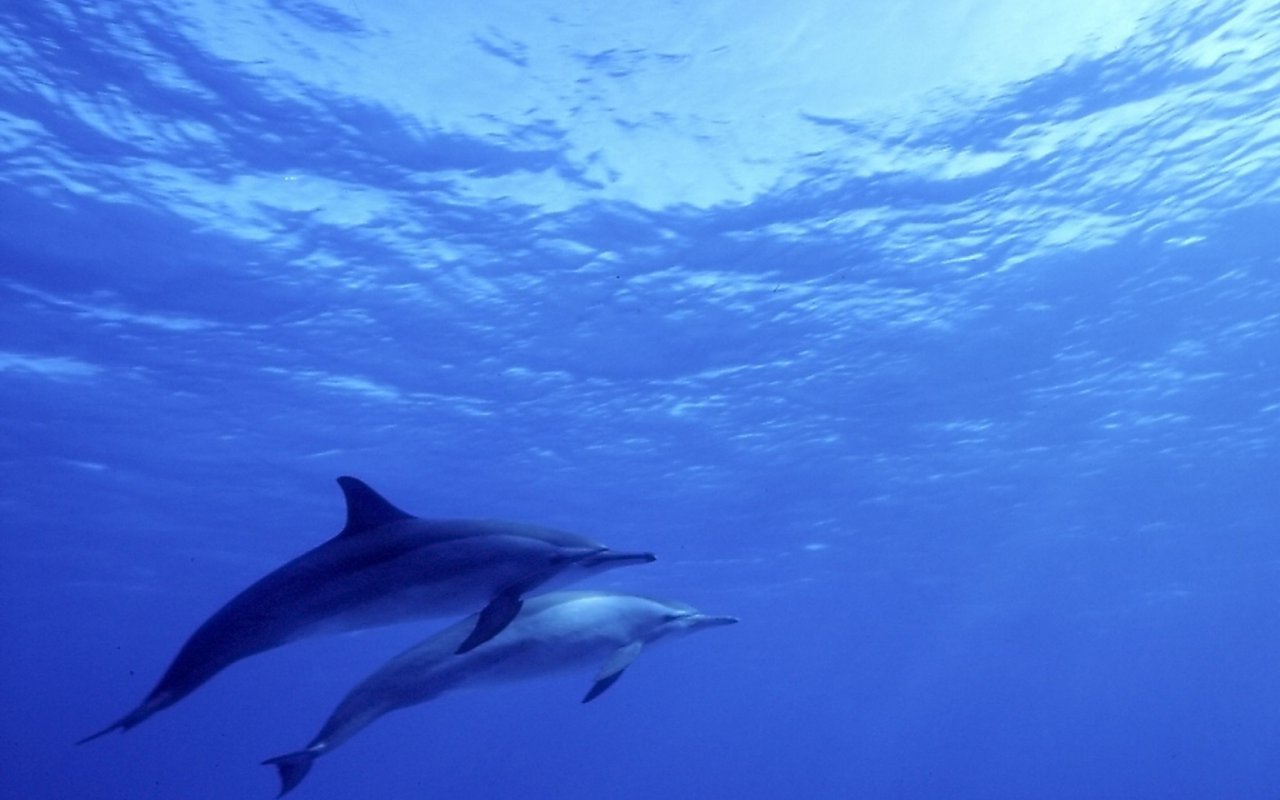
The big dolphin is the main cetacean species found in the Adriatic. It is a protected species in Croatia which has become the symbol of the island of Lošinj where a reserve has been created especially for them by the NGO Blue World.
Blue World offers sea excursions to observe them and to promote responsible behaviour. The opportunity to admire them in their natural environment and to learn more about this animal and its protection.